The Value of Negative Space in Design
| By Karen Chapman | Uncategorized | design, Focal points, foliage, fountains, patios, Travel, water gardens
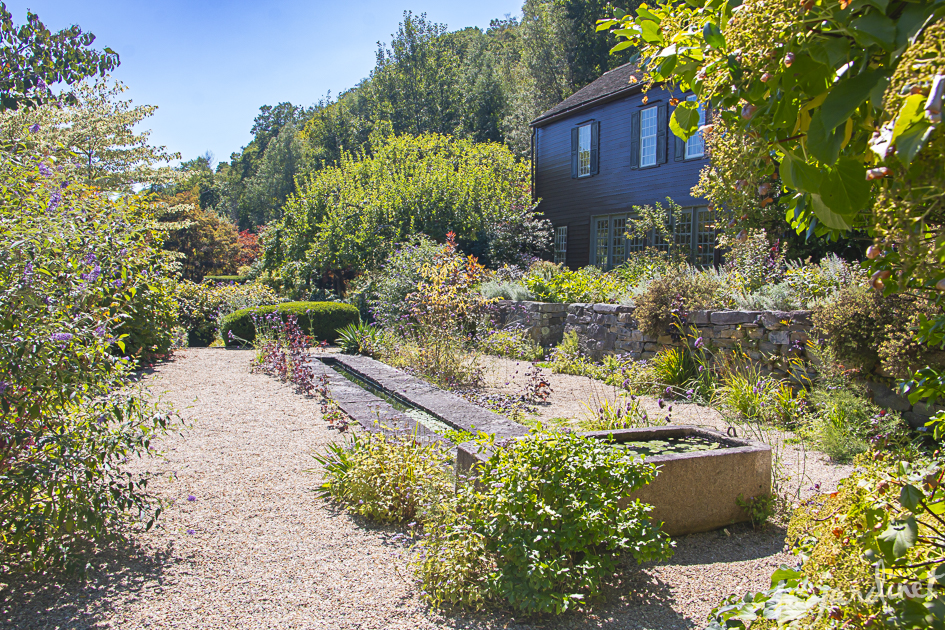
The Roles of Negative Space
Creating a sense of order
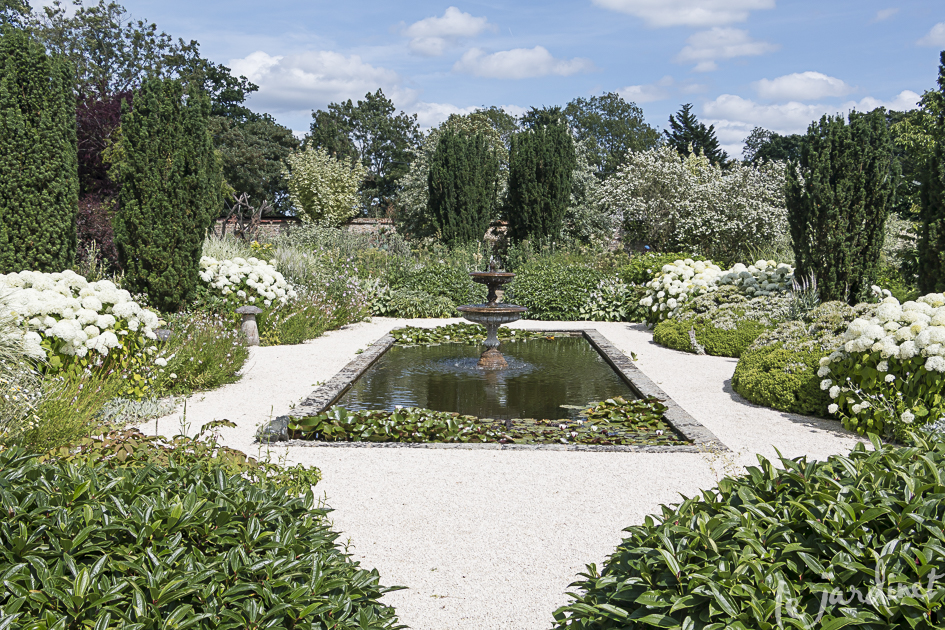
Loseley Park Gardens, England: A pool set within gravel creates a welcome negative space within the lush green and white plantings, allowing their structure and form to be better appreciated.
Visual breathing room
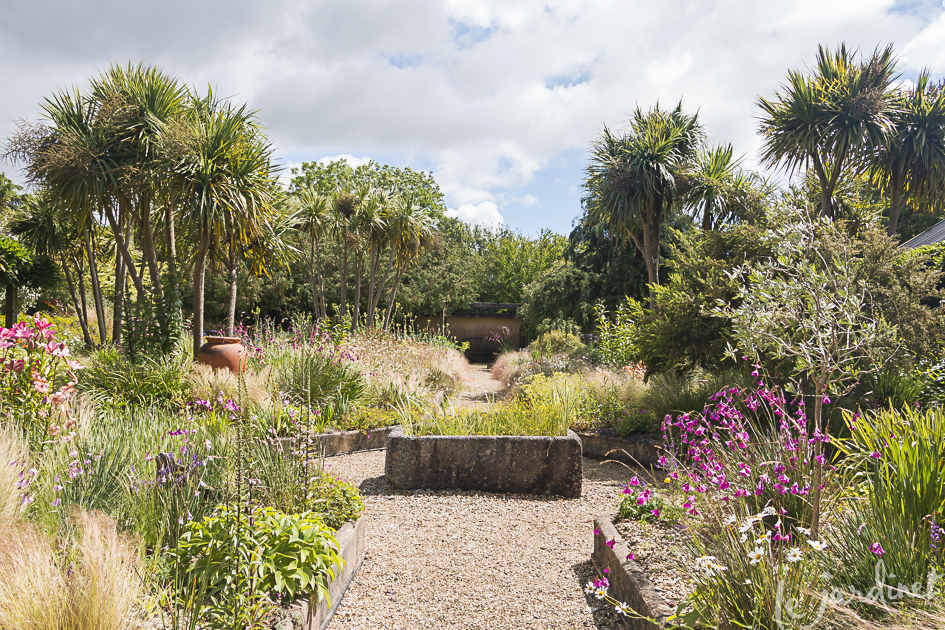
Wildside, England: Wide gravel paths separate billowing plantings set within raised beds in the Mediterranean garden.
Enhances focal points
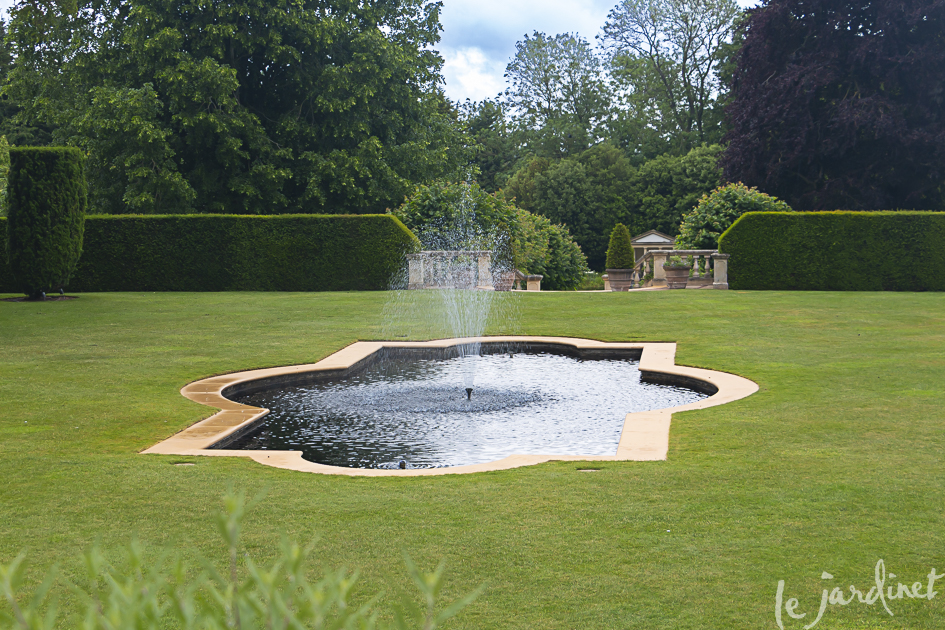
Littlethorpe Manor, England: A serene pool and fountain is enhanced by the large lawns that frame it.
Examples of intentional negative space in design
Negative space can be created using lawn, meadow, mulch, groundcover, hardscape or bodies of water.Lawn
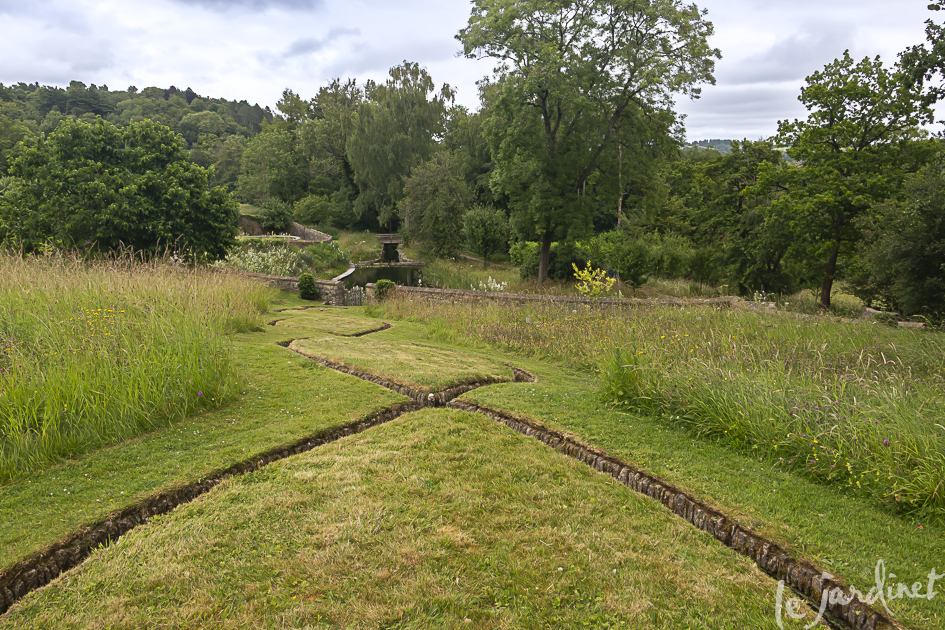
Caisson Gardens, England: the beauty of a rill is enhanced

A small circular lawn reads as a visual resting place – an intentional negative space
Hardscape

A small paved patio is immersed within a strolling garden
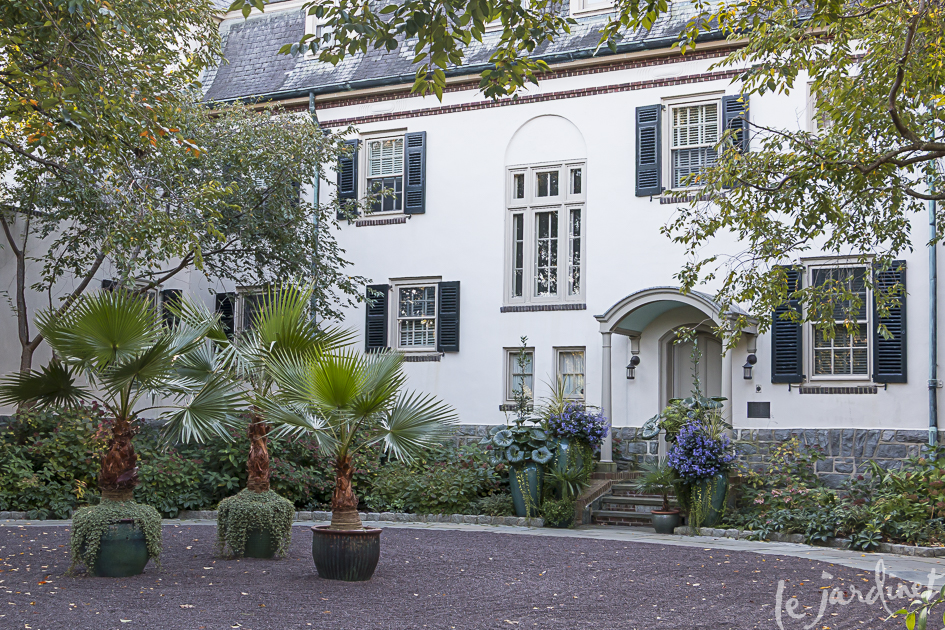
The formal entry to Chanticleer House in Wayne, PA features a raked gravel bed and carefully placed potted palms.
Water
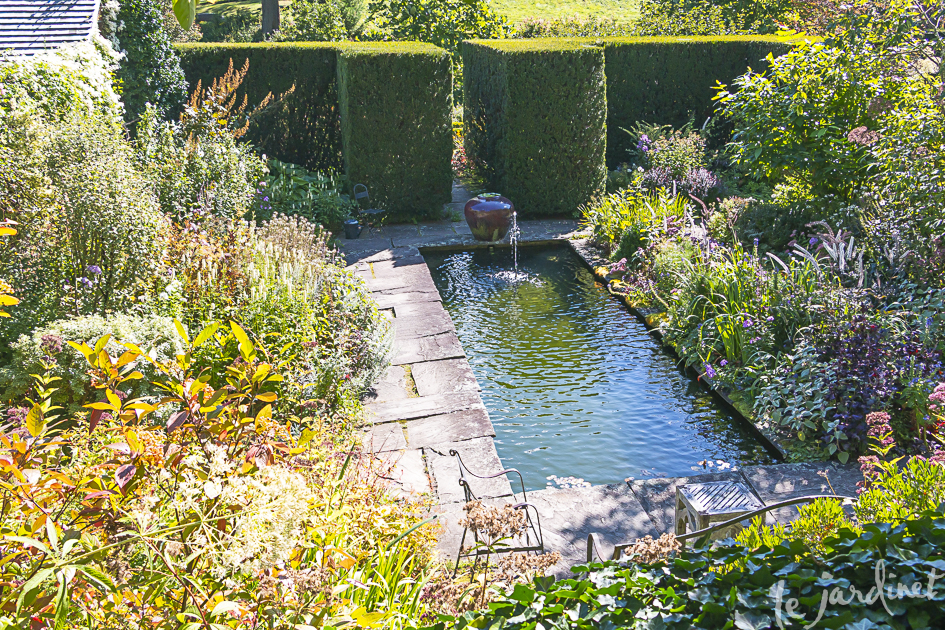
Tucked into one of the garden rooms at Hollister House, CT, a simple pool acts as a negative space
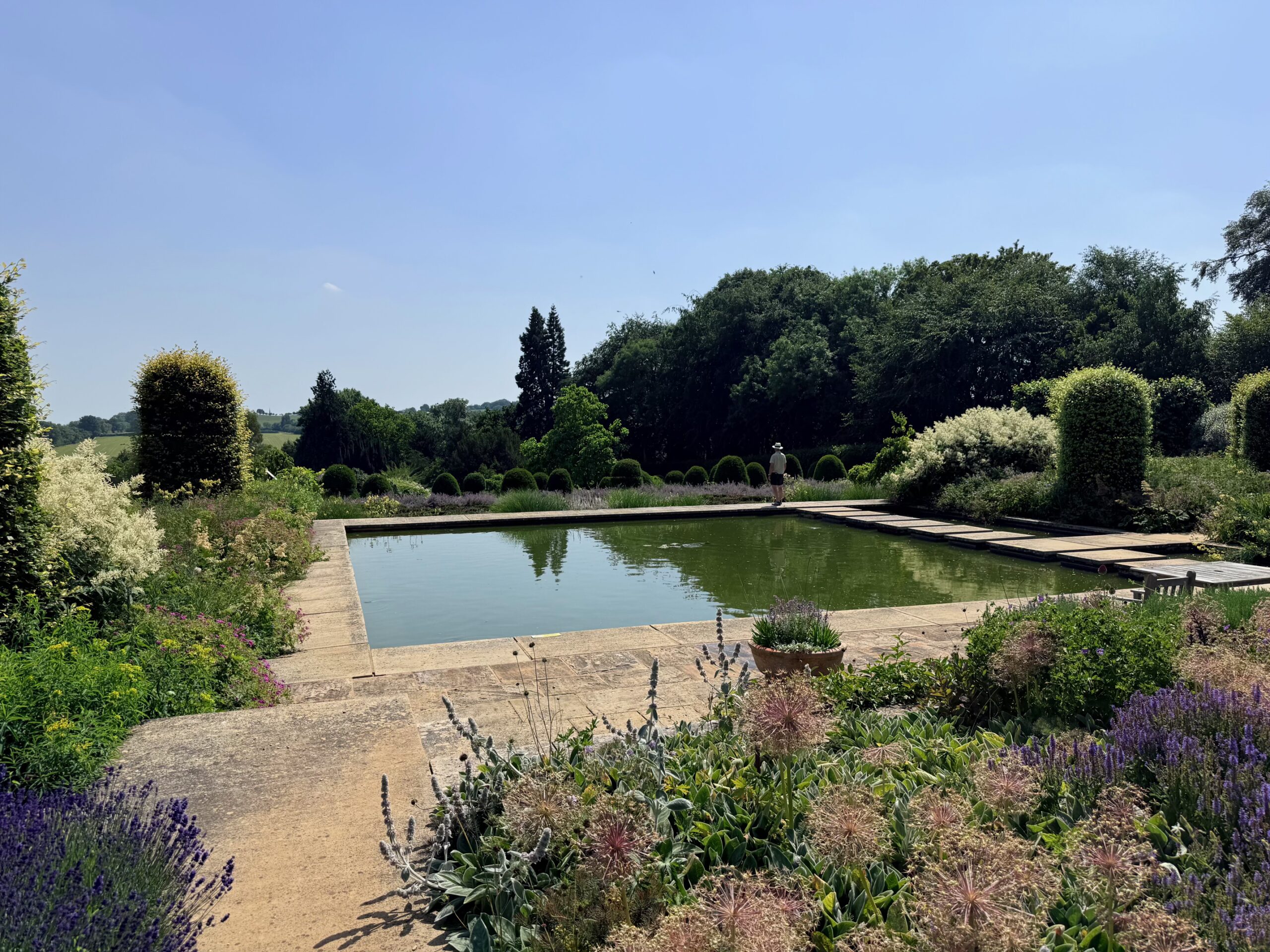
Broughton Grange, England. Design by Tom Stuart Smith. Photo credit: Dana Niblack
Take Home Ideas
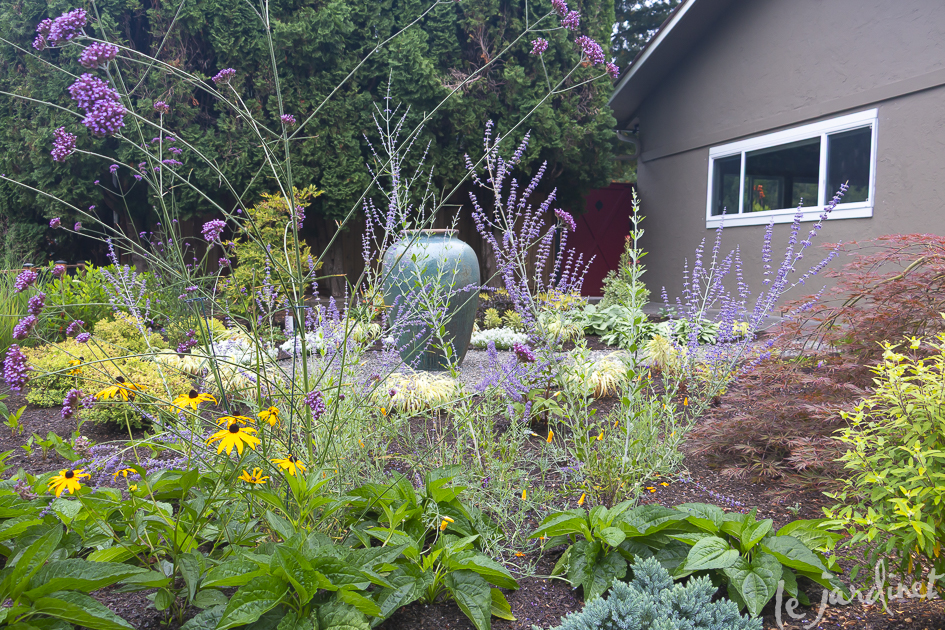
Notice how I placed this urn at the center of a gravel circle. It helps it stand out as a focal point as well as providing practical access to the plantings
- If you have a lawn, does it read as an intentional negative space or just "the bit that's left"? Defining its shape can help address that.
- Rather than just adding a tall urn, bird bath or sculpture into a garden bed, consider if a better design choice might be to give it some elbow room – allow some negative space around it. See my photo above for how I did this.
- If you have a water feature in your garden, does it look best hidden within plantings? Or would it benefit from being set in a more open area?
Subscribe to Receive Blog Posts
Gardening inspiration delivered right to your inbox from Le Jardinet
Front Garden Assessment
A New Season
Pettifers: Lessons in Layering and Color
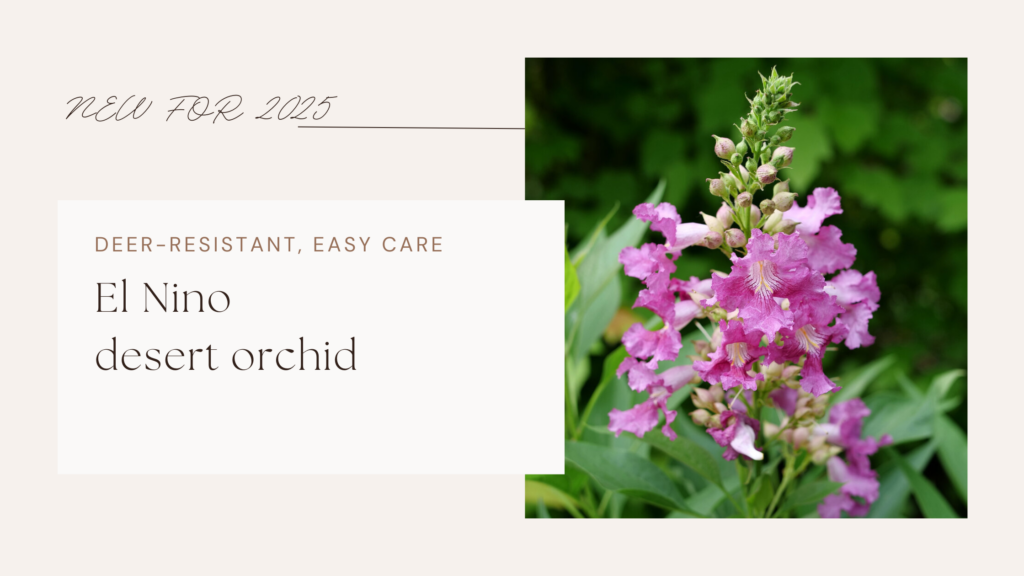
New Deer-Resistant Shrub to Grow: El Nino Desert Orchid
Deer-Resistant Edibles (usually)
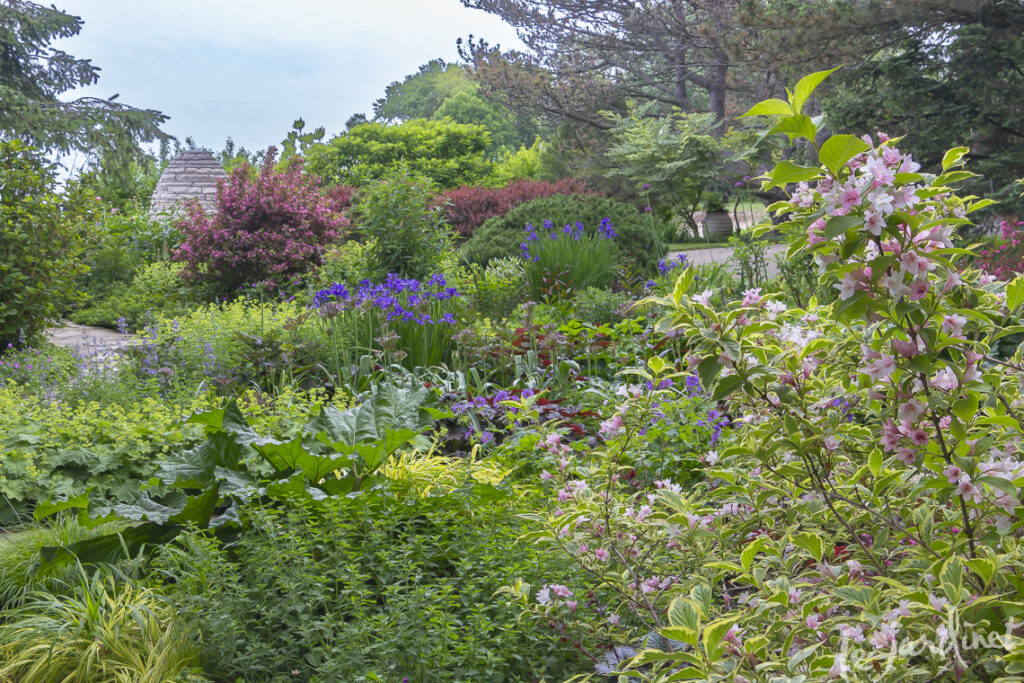
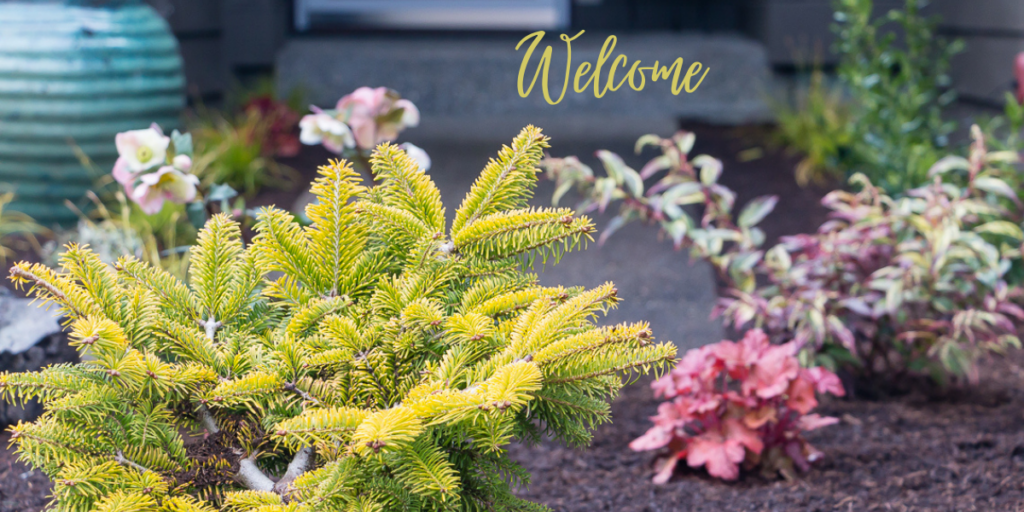
Front Gardens Re-Imagined
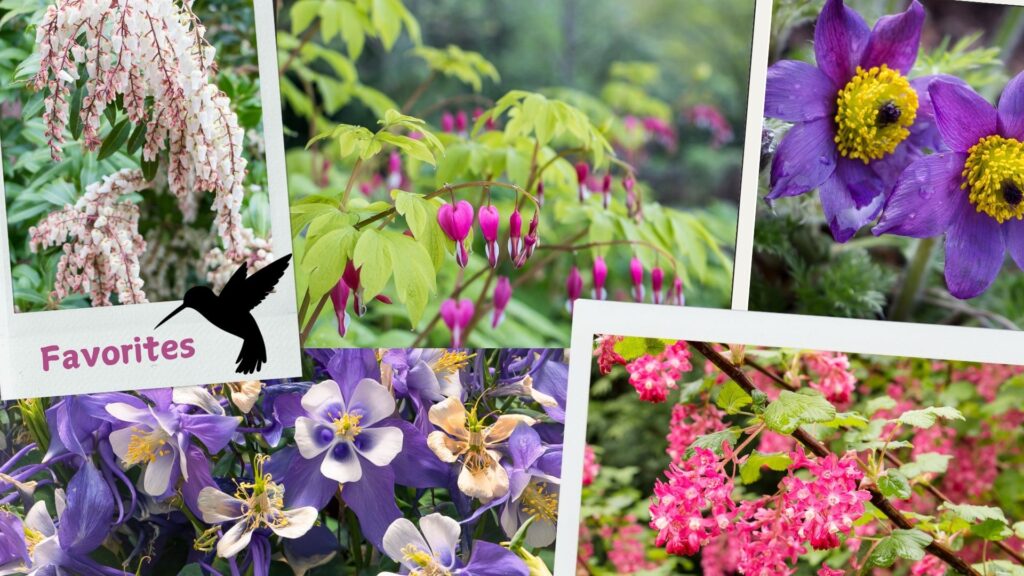
Early Spring Favorites for Hummingbirds (that deer & rabbits ignore)
Garden Triage for March
A visit to St. Fagans, South Wales
Garden Shows: What to Look For & Ticket Giveaway!

Welcome to My Garden Adventures

I'm a serious plant-aholic. In other words I'm usually covered in a layer or two of soil, I drive everywhere with a large tarp for impromptu plant purchases and I'm truly passionate about sharing the joys of gardening.
Buy My Books Here!

Container Gardening Course

TV Interview
Keep in Touch


