The Value of Negative Space in Design

'Cramscaping' may be fun in container gardens but the value of leaving open areas within the landscape cannot be overstated. Not every square inch of your garden has to be planted. Negative space refers to the areas that we don't plant. They are intentionally left open and are typically framed by "positive" elements such as pathways, or plantings and work in much the same way as a strategically placed focal point. 

The Roles of Negative Space

Creating a sense of order
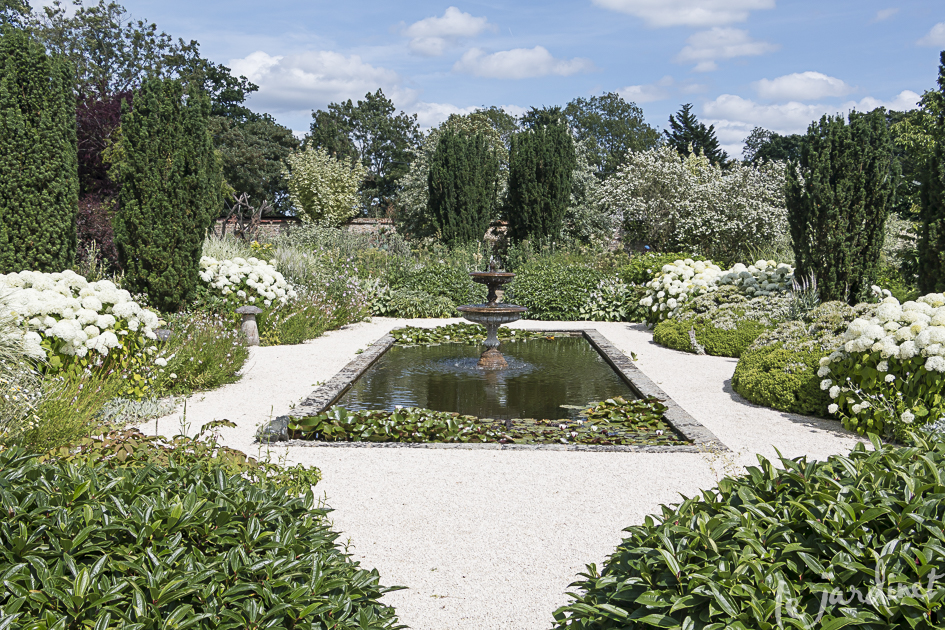
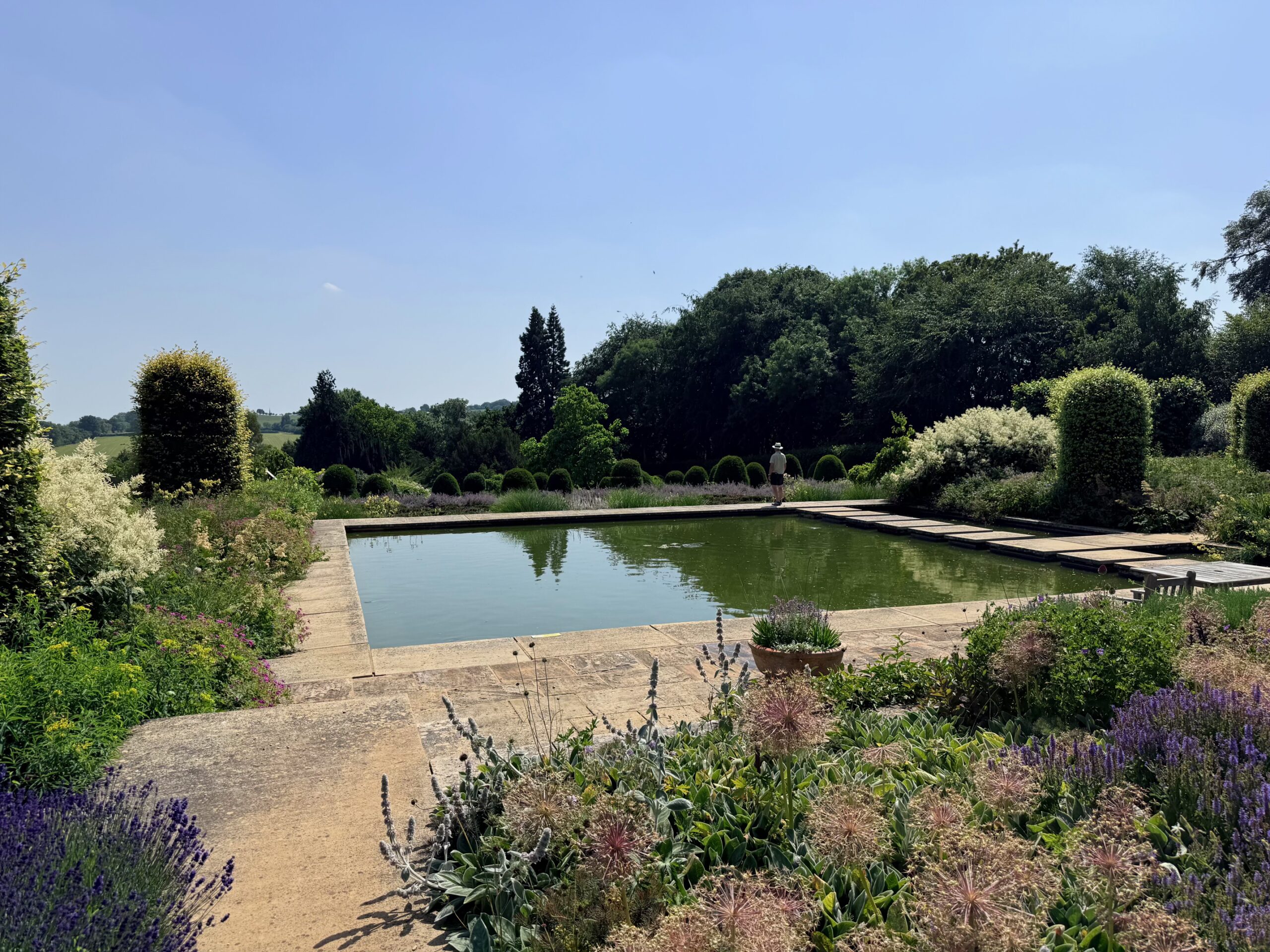
Loseley Park Gardens, England: A pool set within gravel creates a welcome negative space within the lush green and white plantings, allowing their structure and form to be better appreciated.

A garden which is fully planted can seem busy, overcrowded. As such it creates tension – but not necessarily in a good way. By introducing an intentionally open space, it restores a sense of calm or peacefulness. It balances dark and light.

Visual breathing room

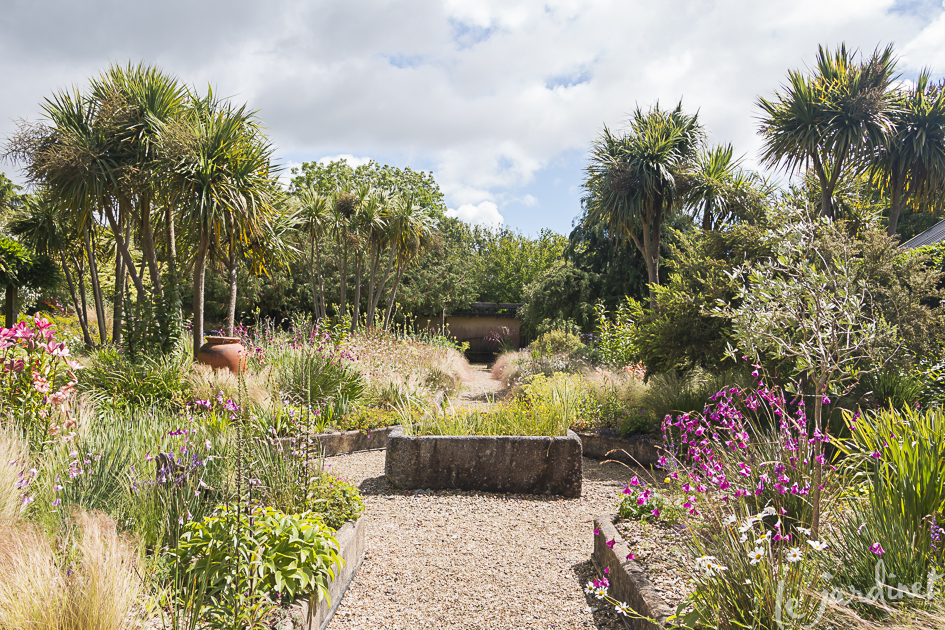
Wildside, England: Wide gravel paths separate billowing plantings set within raised beds in the Mediterranean garden.

Negative space can improve the legibility of the landscape by allowing the eye to pause and take it all in. In Keith Wiley's garden, Wildside, shown above, the finer textures and sheer abundance of the plantings benefit from wide paths. The overall effect feels less crowded and overwhelming. 

Enhances focal points

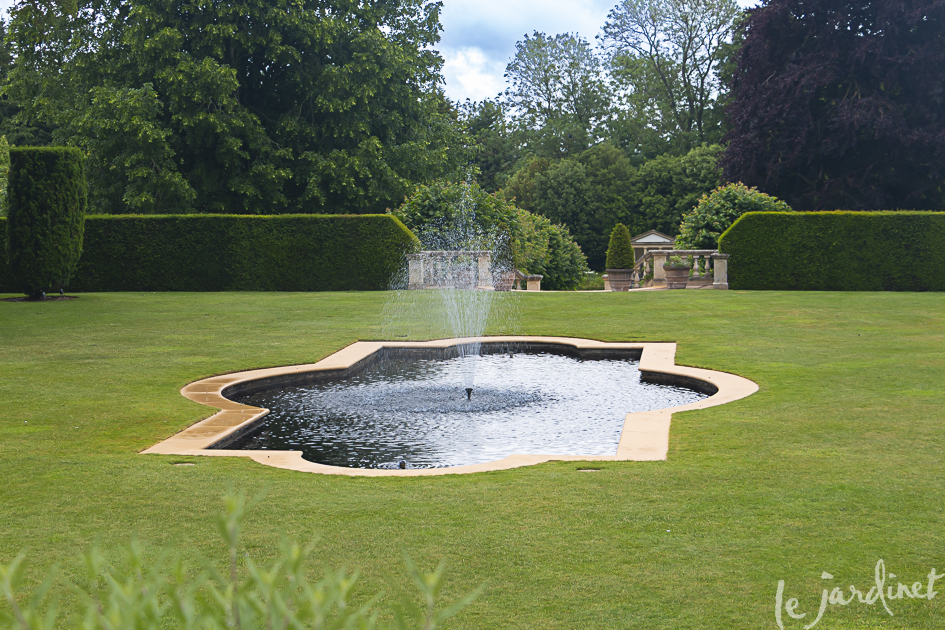
Littlethorpe Manor, England: A serene pool and fountain is enhanced by the large lawns that frame it.

Sculptural vessels, fountains and art work can all be placed directly into planting beds. But for a different effect, try placing these in the center of an otherwise open area and notice the different emotions this elicits. It makes even a simple focal point appear stronger, more important.

Examples of intentional negative space in design

Negative space can be created using lawn, meadow, mulch, groundcover, hardscape or bodies of water.

Lawn

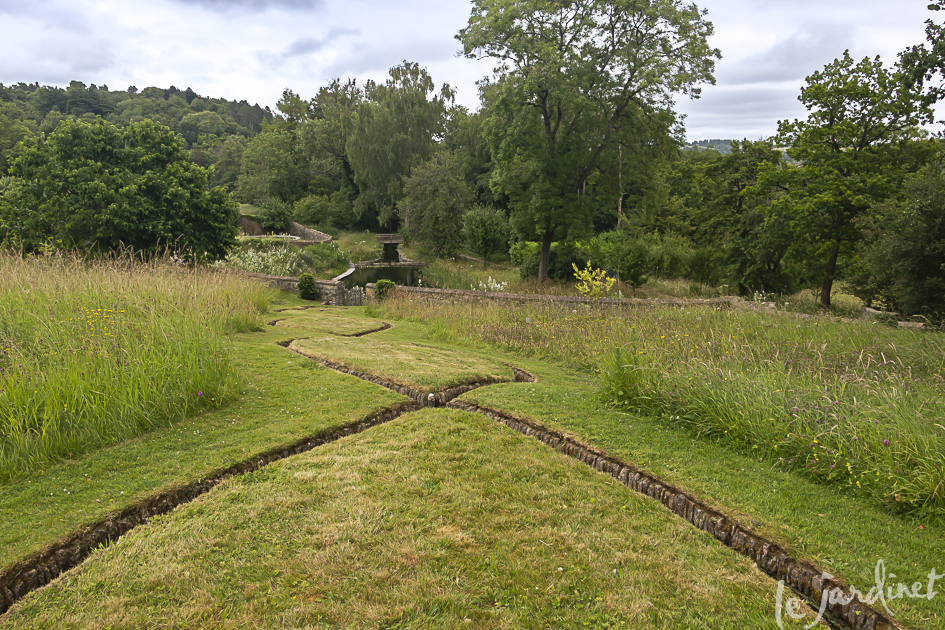
Caisson Gardens, England: the beauty of a rill is enhanced

In the Caisson Gardens, above, a  rill is carved into tightly mown lawn which is then framed by meadow style plantings that mimic the rills sinuous lines. Using the contrast between the shorter lawn and taller meadow highlights the rill by setting it within the negative space.

A small circular lawn reads as a visual resting place – an intentional negative space

In a residential design above, a small circular lawn is used as a design element but also reads as a deliberately open space rather than just a residual part of the garden after planting beds and paths were laid out.

Hardscape

A small paved patio is immersed within a strolling garden
Paths and patios are two examples of functional areas that can serve as negative space – providing they are not so full of furniture that they are visually as abundant as the garden beds! The transparency of the simple red bistro set above helps keep the focus on the space itself.

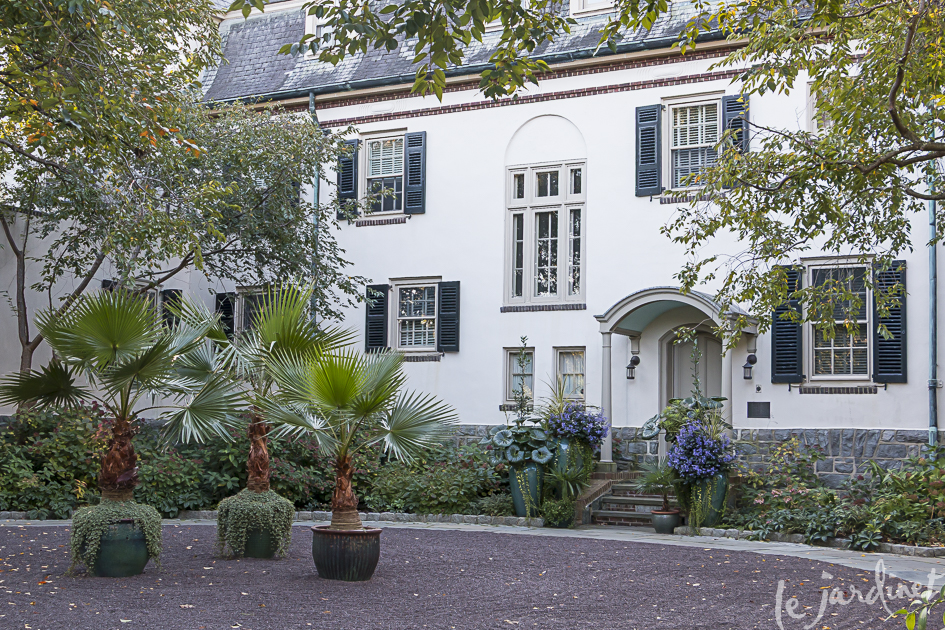
The formal entry to Chanticleer House in Wayne, PA features a raked gravel bed and carefully placed potted palms.

Many Japanese gardens feature raked gravel beds, typically with symbolic boulders set within them. In a twist on that idea, Chanticleer House uses three large potted palms within their raked gravel entrance. In spring, cherry blossom petals fill the raked grooves, highlighting the design. Far from an empty space, this gravel circle is an intentional negative space to balance the exuberance that the garden is known for with a simpler yet equally artistic touch.

Water

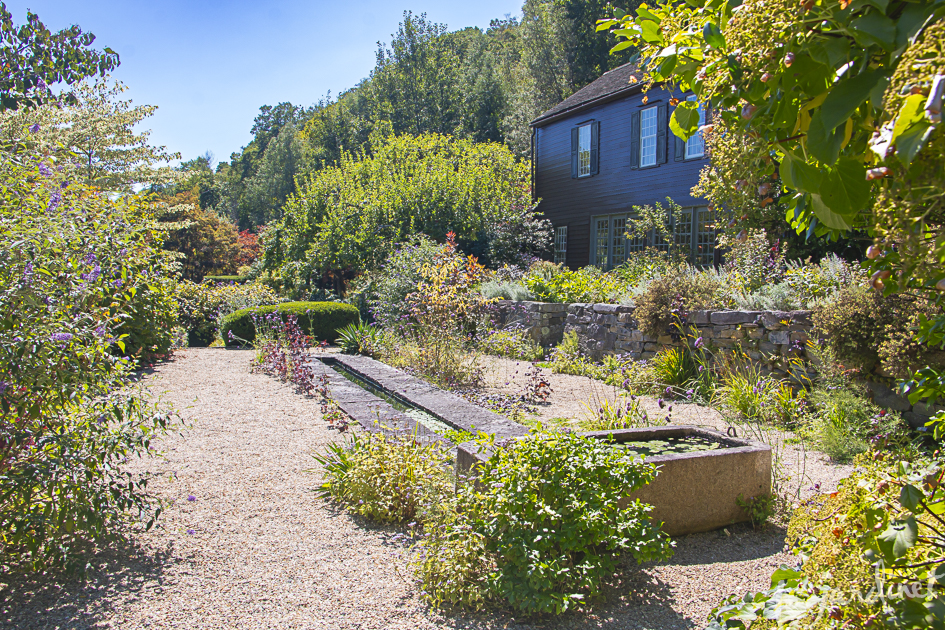
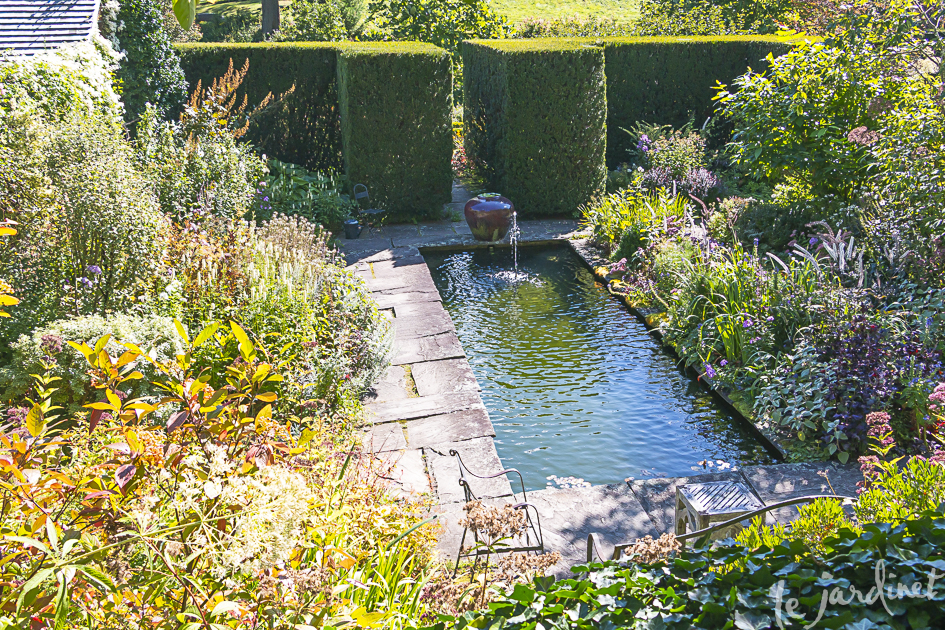
Tucked into one of the garden rooms at Hollister House, CT, a simple pool acts as a negative space
The gardens are Hollister House, Litchfield county, CT are brimming with plants, each jostling for attention. Simple water features such as the one shown above allows the eye to pause while the brain processes all that is around.

Broughton Grange, England. Design by Tom Stuart Smith. Photo credit: Dana Niblack

The middle terrace at Broughton Grange features a simple rectilinear pool, surrounded by a froth of perennials, both benefiting from its association with the other. Without the calming pool, the plantings could appear chaotic although the punctuation by taller species helps significantly with that. Without the plantings the pool loses context. Together they create a vignette with a framed focal point.

Take Home Ideas

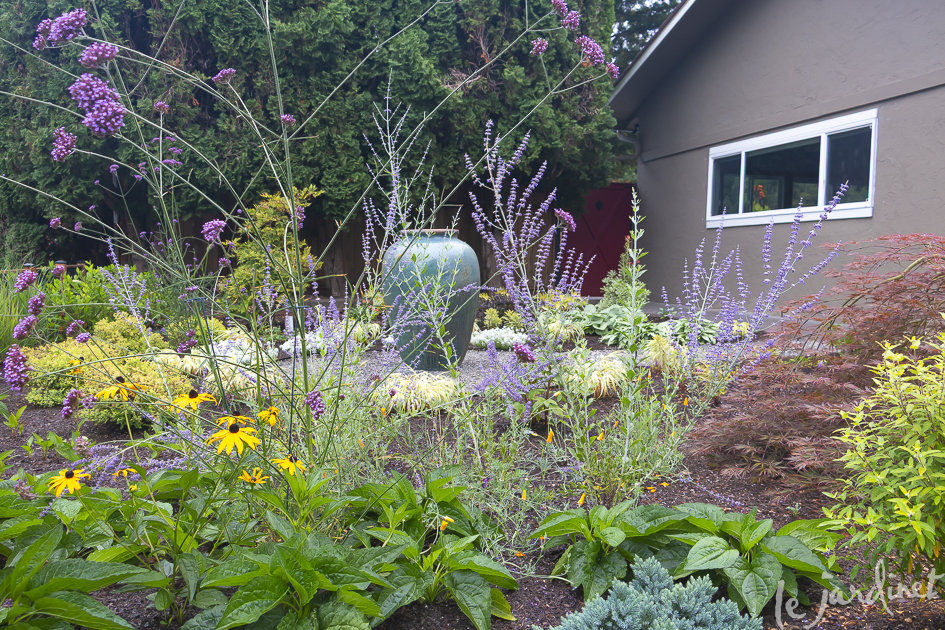
Notice how I placed this urn at the center of a gravel circle. It helps it stand out as a focal point as well as providing practical access to the plantings

  • If you have a lawn, does it read as an intentional negative space or just "the bit that's left"? Defining its shape can help address that.
  • Rather than just adding a tall urn, bird bath or sculpture into a garden bed, consider if a better design choice might be to give it some elbow room – allow some negative space around it. See my photo above for how I did this.
  • If you have a water feature in your garden, does it look best hidden within plantings? Or would it benefit from being set in a more open area?

Subscribe to Receive Blog Posts

Gardening inspiration delivered right to your inbox from Le Jardinet

  • This field is for validation purposes and should be left unchanged.


Inspiration for Dry, Sunny Gardens in Temperate Climates

Yes, I know it's the rainy season, but I've been working on my presentation  Water-Savvy Garden Design , which sent me digging back through my photo library. While my seminar covers dry shade and seasonally wet conditions, the section for "hot, dry conditions" is always of great interest to audiences, especially those who are from…
Read More →

Garden Screen Solutions

We all want to hide something whether it's the neighbors or the trash cans, but before you rush off to the nearest box store for a generic screen  – or plant a row of arborvitae ask yourself a few key questions: 1. How high does the screen need to be? Is this viewed from inside…
Read More →

Garden Design: Mimicking Nature

I'm a firm believer that gardens should be experienced – not just observed. They should invite exploration and contemplation, pique our curiosity in some way. On my recent trip to the Hudson River Valley, I visited three public gardens that really spoke to me because they achieved this so well and did so, not by…
Read More →

Heligan: History, Romance & Adventure

Forget Hallmark movies for the Holiday feel-good factor. I've got a better story for you: The Lost Gardens of Heligan. Once upon a time, there was a vibrant estate in Cornwall, England called Heligan. The original Heligan Manor had been built in the 1200s, with Heligan House built in the Jacobean style in 1603, then…
Read More →

Pears & Parrots in Paradise

Tucked away down a dusty rural lane in the Franschhoek Valley, South Africa is one of the hidden gems  we visited on our recent tour. In all fairness, we arrived shortly after unseasonably heavy rains had caused devastating landslides so visitors would normally have a much less adventurous arrival! Le Poirier is a small farm…
Read More →

South Africa Highlights: Part 1 of many!

Where do I start?! This was truly the trip of a lifetime. The gardens, the people, the wildlife, the wines…..how can I possibly recap all of that in just a post or two? Hopefully you were able to follow along through my Facebook posts because thanks to my husband Andy there are some remarkable photos…
Read More →

Deer-Resistant Bloomin' Easy Favorites

It's always exciting to visit nurseries where great plants are grown so it was a special treat to be invited to the 50th Celebration of Van Belle Nursery, the home of Bloomin' Easy plants in Abbotsford, British Columbia recently. I first visited as a consultant in 2014 when I taught a container design workshop to…
Read More →

Unexpected Color Echoes

Repetition of color in a garden is an easy way to bring a sense of cohesion to a design and is often called a 'color echo'. When designing 'foliage first' this color echo may be between a leaf and a flower or even between two or more different leaves, yet there are many more adventurous…
Read More →

Snapshots from Hampton Court Festival

I now understand why many visitors say they prefer the Hampton Court Flower Festival over the Chelsea Flower Show: it seems more familiar, more attainable, more like a community event than a Grand Show. Yet it still offers an abundance of gardening ideas, shopping opportunities, and unlike Chelsea includes a number of educational workshops and…
Read More →

Loseley Park – a Hidden Gem

Situated approximately 30 miles south-west of  London, Loseley Park is a 1400 acre estate of beautiful rolling countryside. The Manor itself dates back to the 16th century, and is a private home that has been in the same family for over 500 years. It is a popular destination for events, weddings and you may also…
Read More →

Welcome to My Garden Adventures

Karen Chapman headshot 2026 web size

I'm a serious plant-aholic. In other words I'm usually covered in a layer or two of soil, I drive everywhere with a large tarp for impromptu plant purchases and I'm truly passionate about sharing the joys of gardening.

Container Gardening Course

Enter KCHAPMAN20 to get 20% off

Architecture, interior design, and more ∨

Use the help of top home decorators to select matching bedside tables and a new lamp shade for your own bedroom design.
Collect and share photos of bathroom tile, bathroom vanities, shower curtains and bathroom mirrors to create your perfect home decorating style.

TV Interview

Archives