The Value of Negative Space in Design

'Cramscaping' may be fun in container gardens but the value of leaving open areas within the landscape cannot be overstated. Not every square inch of your garden has to be planted. Negative space refers to the areas that we don't plant. They are intentionally left open and are typically framed by "positive" elements such as pathways, or plantings and work in much the same way as a strategically placed focal point. 

The Roles of Negative Space

Creating a sense of order
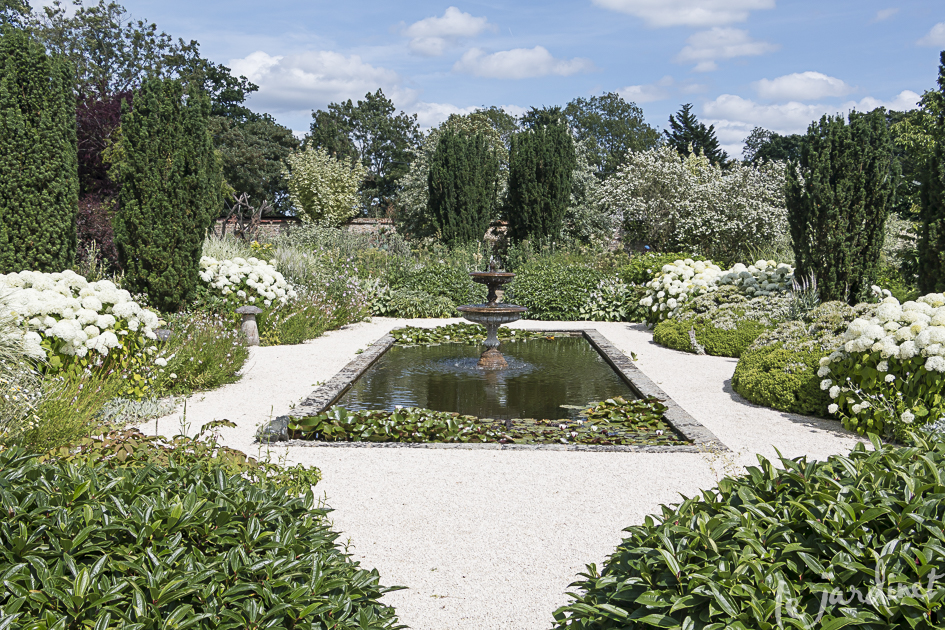
Loseley Park Gardens, England: A pool set within gravel creates a welcome negative space within the lush green and white plantings, allowing their structure and form to be better appreciated.

A garden which is fully planted can seem busy, overcrowded. As such it creates tension – but not necessarily in a good way. By introducing an intentionally open space, it restores a sense of calm or peacefulness. It balances dark and light.

Visual breathing room

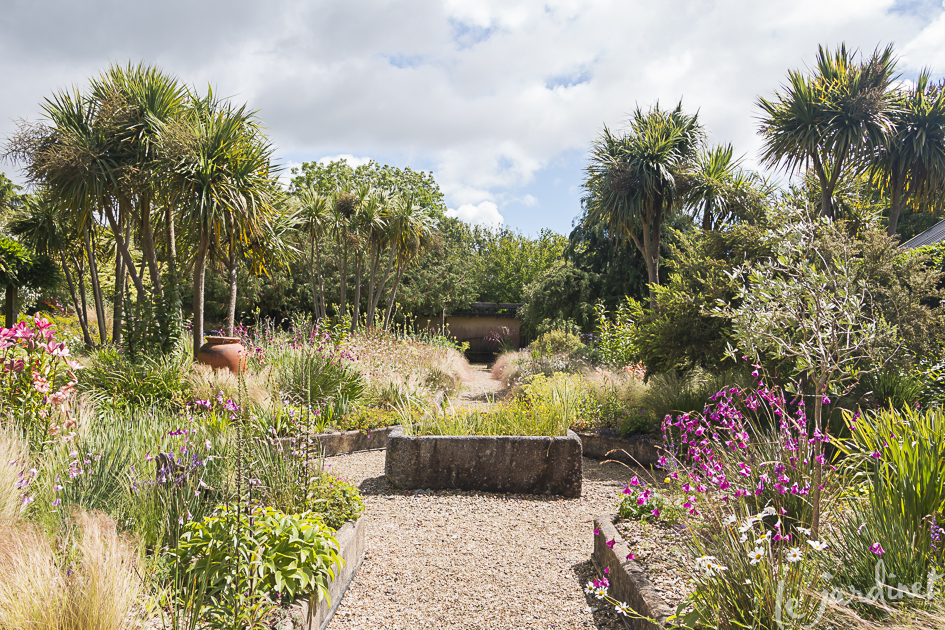
Wildside, England: Wide gravel paths separate billowing plantings set within raised beds in the Mediterranean garden.

Negative space can improve the legibility of the landscape by allowing the eye to pause and take it all in. In Keith Wiley's garden, Wildside, shown above, the finer textures and sheer abundance of the plantings benefit from wide paths. The overall effect feels less crowded and overwhelming. 

Enhances focal points

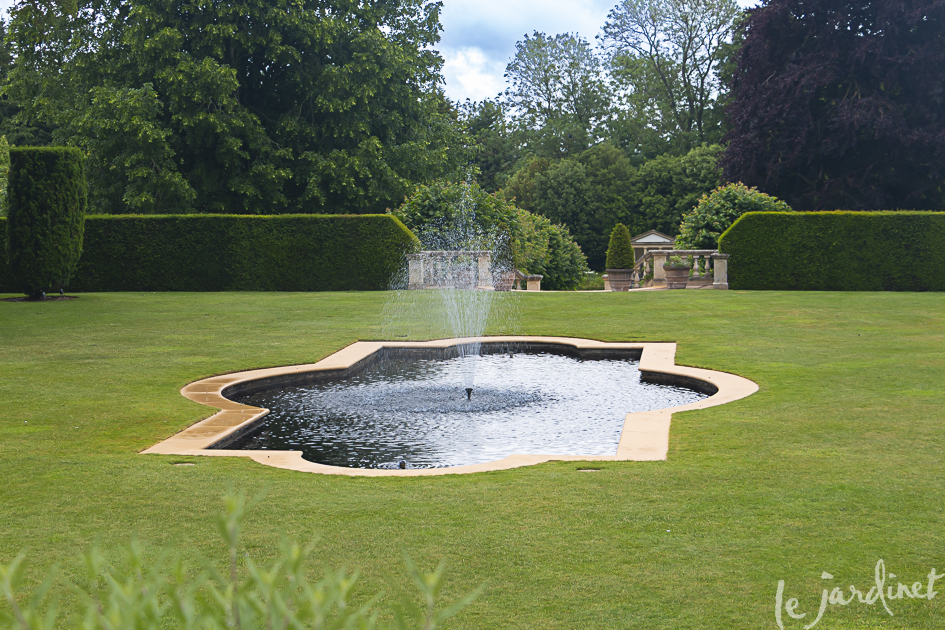
Littlethorpe Manor, England: A serene pool and fountain is enhanced by the large lawns that frame it.

Sculptural vessels, fountains and art work can all be placed directly into planting beds. But for a different effect, try placing these in the center of an otherwise open area and notice the different emotions this elicits. It makes even a simple focal point appear stronger, more important.

Examples of intentional negative space in design

Negative space can be created using lawn, meadow, mulch, groundcover, hardscape or bodies of water.

Lawn

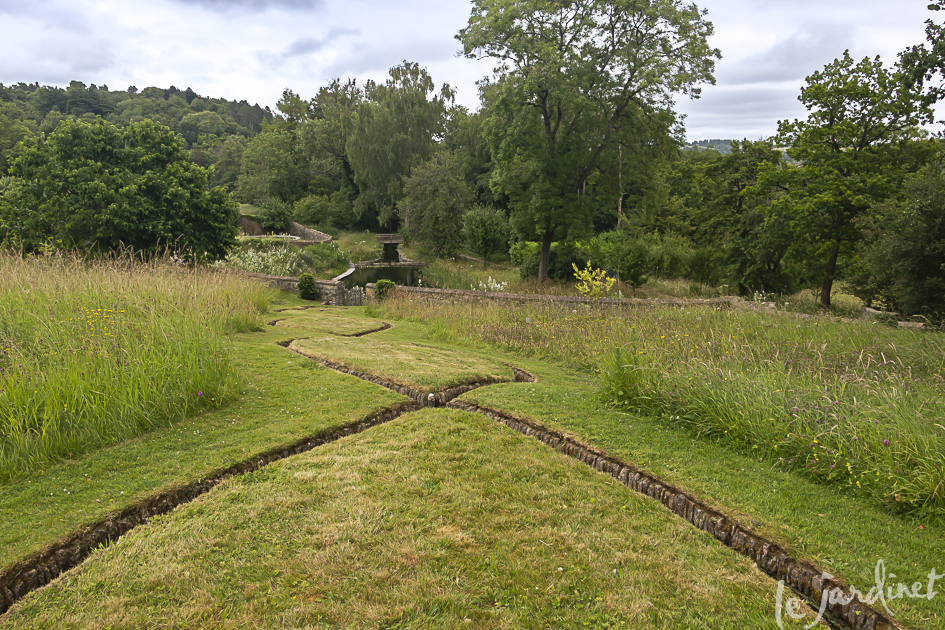
Caisson Gardens, England: the beauty of a rill is enhanced

In the Caisson Gardens, above, a  rill is carved into tightly mown lawn which is then framed by meadow style plantings that mimic the rills sinuous lines. Using the contrast between the shorter lawn and taller meadow highlights the rill by setting it within the negative space.

A small circular lawn reads as a visual resting place – an intentional negative space

In a residential design above, a small circular lawn is used as a design element but also reads as a deliberately open space rather than just a residual part of the garden after planting beds and paths were laid out.

Hardscape

A small paved patio is immersed within a strolling garden
Paths and patios are two examples of functional areas that can serve as negative space – providing they are not so full of furniture that they are visually as abundant as the garden beds! The transparency of the simple red bistro set above helps keep the focus on the space itself.

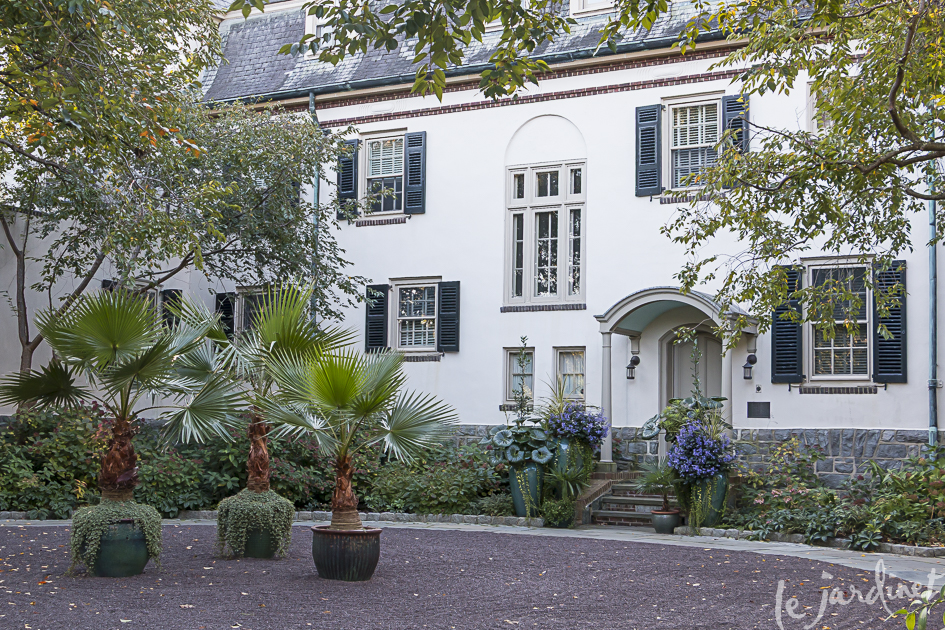
The formal entry to Chanticleer House in Wayne, PA features a raked gravel bed and carefully placed potted palms.

Many Japanese gardens feature raked gravel beds, typically with symbolic boulders set within them. In a twist on that idea, Chanticleer House uses three large potted palms within their raked gravel entrance. In spring, cherry blossom petals fill the raked grooves, highlighting the design. Far from an empty space, this gravel circle is an intentional negative space to balance the exuberance that the garden is known for with a simpler yet equally artistic touch.

Water

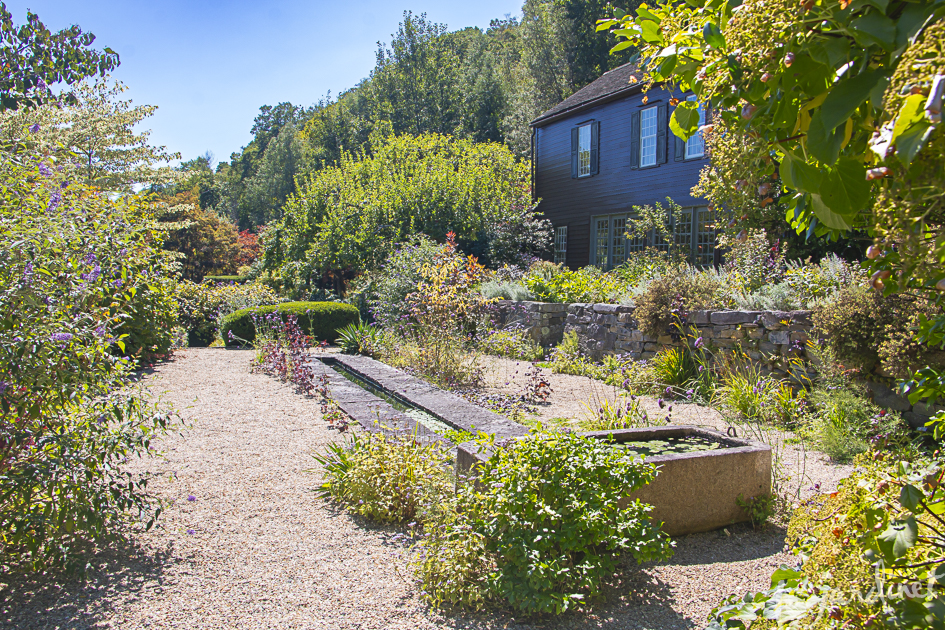
Tucked into one of the garden rooms at Hollister House, CT, a simple pool acts as a negative space
The gardens are Hollister House, Litchfield county, CT are brimming with plants, each jostling for attention. Simple water features such as the one shown above allows the eye to pause while the brain processes all that is around.

Broughton Grange, England. Design by Tom Stuart Smith. Photo credit: Dana Niblack

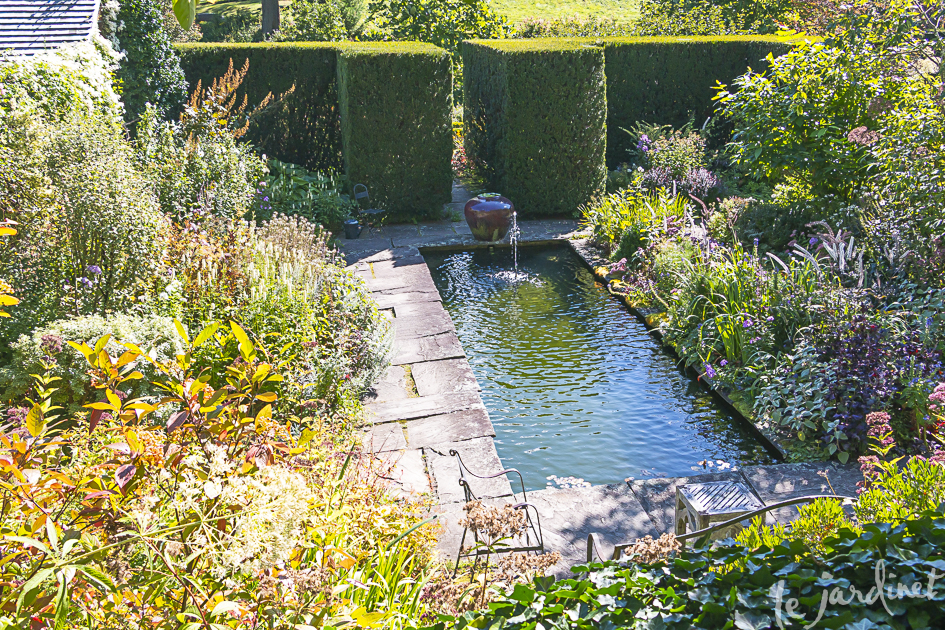
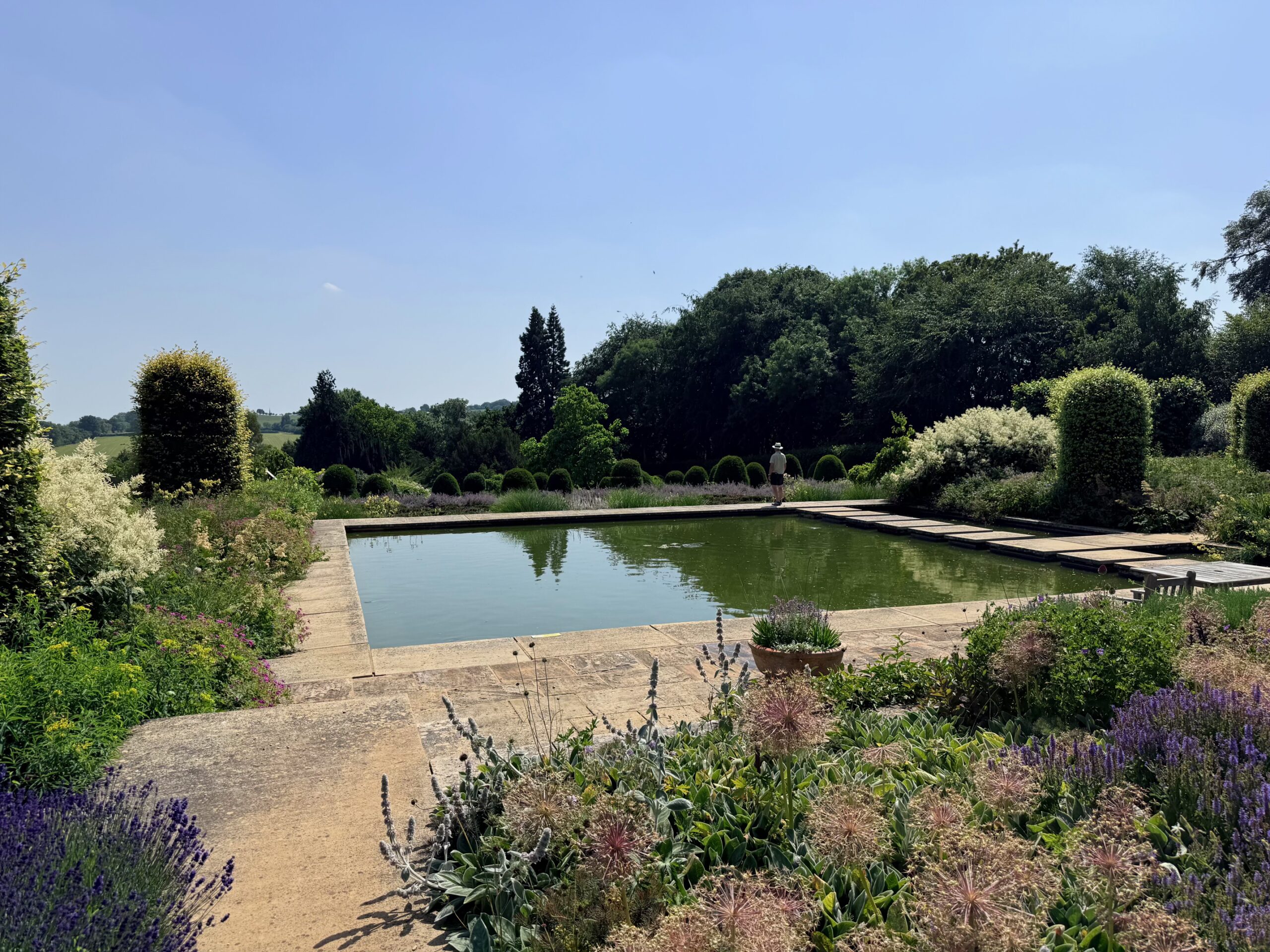
The middle terrace at Broughton Grange features a simple rectilinear pool, surrounded by a froth of perennials, both benefiting from its association with the other. Without the calming pool, the plantings could appear chaotic although the punctuation by taller species helps significantly with that. Without the plantings the pool loses context. Together they create a vignette with a framed focal point.

Take Home Ideas

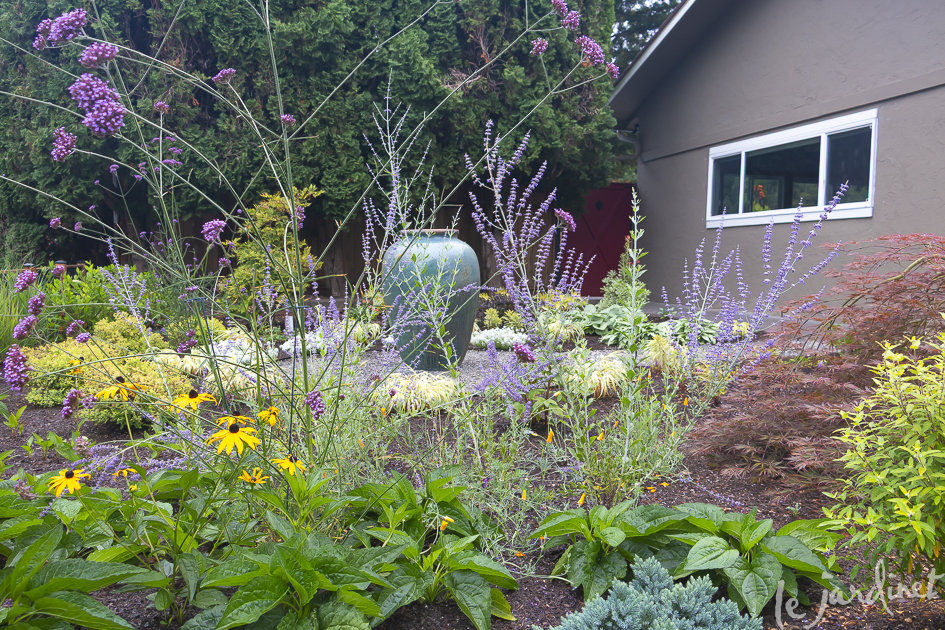
Notice how I placed this urn at the center of a gravel circle. It helps it stand out as a focal point as well as providing practical access to the plantings

  • If you have a lawn, does it read as an intentional negative space or just "the bit that's left"? Defining its shape can help address that.
  • Rather than just adding a tall urn, bird bath or sculpture into a garden bed, consider if a better design choice might be to give it some elbow room – allow some negative space around it. See my photo above for how I did this.
  • If you have a water feature in your garden, does it look best hidden within plantings? Or would it benefit from being set in a more open area?

Subscribe to Receive Blog Posts

Gardening inspiration delivered right to your inbox from Le Jardinet

  • This field is for validation purposes and should be left unchanged.


Glorious Abundance in a Pint-Sized Garden

I'm sure our giant green coach caused a few raised eyebrows as it pulled into the narrow residential street in Chelmsford, England. But homeowner Sheila Chapman took it all in her stride as she warmly welcomed our tour group to her pint-sized garden with a smile. Sheila is a well-known Royal Horticultural Society gold medal-winning…
Read More →

Art in Context: Inspiration from England

So many gardens, so many ideas….I'm just back from leading my tour England in Full Bloom and have so much to share with you. I tried to post daily highlights on Facebook but thought I'd take this blog post to share some of the fun art installations we saw on our travels that varied in…
Read More →

Gateway Wildlife Garden – Chelsea 2023

It's a balance. I want to create habitat for wildlife – but that doesn't mean I want to live in an overgrown 5-acre field. I therefore designed the gardens closest to our home to be more ornamental, featuring some of my favorite deer-resistant trees, shrubs and perennials, with a mid-point transition area consisting of a…
Read More →

Color Snapshots from England

I'm just home after hosting a wonderful tour of English gardens for Earthbound Expeditions. So many memories and so many ideas – but I wanted to share just a few images that highlight the use of color restraint and how effective that is as a design tool rather than a wild 'jellybean' approach. Monochromatic Schemes…
Read More →

Before & After: front garden makeover

There comes a point when you just need to start again – and that was essentially the verdict after visiting this Seattle garden. A combination of overgrown shrubs, inadequate pathways, and piecemeal 'fixes' just weren't cutting it anymore. The homeowner loves the outdoors and wanted the garden to be naturalistic in design, featuring layers of…
Read More →

How to prune repeat blooming hydrangea

I have received a lot of questions this month about how and when to prune bigleaf hydrangea (Hydrangea macrophylla), especially the newer 'repeat blooming' varieties. What are repeat blooming hydrangea? These are the varieties which bloom both on the growth they put on last year (called old wood) as well as the growth that occurs…
Read More →

Celebrate Spring with Candelabra Primroses

I’m not a fan of those brash, grocery store primroses, much preferring the English woodland primrose that is both reliably perennial and a much more pleasing buttermilk yellow. Yet I was totally seduced by the displays of bright candelabra primroses I saw in England last spring. Their bright citrus colors reminded me of a packet…
Read More →

Solutions for "Spring Overwhelm"

Goldheart bleeding heart and Pieris 'Mountain Fire'

I've had a significant number of emails and conversations this week that all boil down to "Help! I can't manage it all anymore!" It happens this time every year. The sun finally shines, we head outside and are suddenly confronted by the realities of what has transpired during a long, wet, cold winter. In my…
Read More →

Best Long-Blooming, Deer-Resistant Perennials
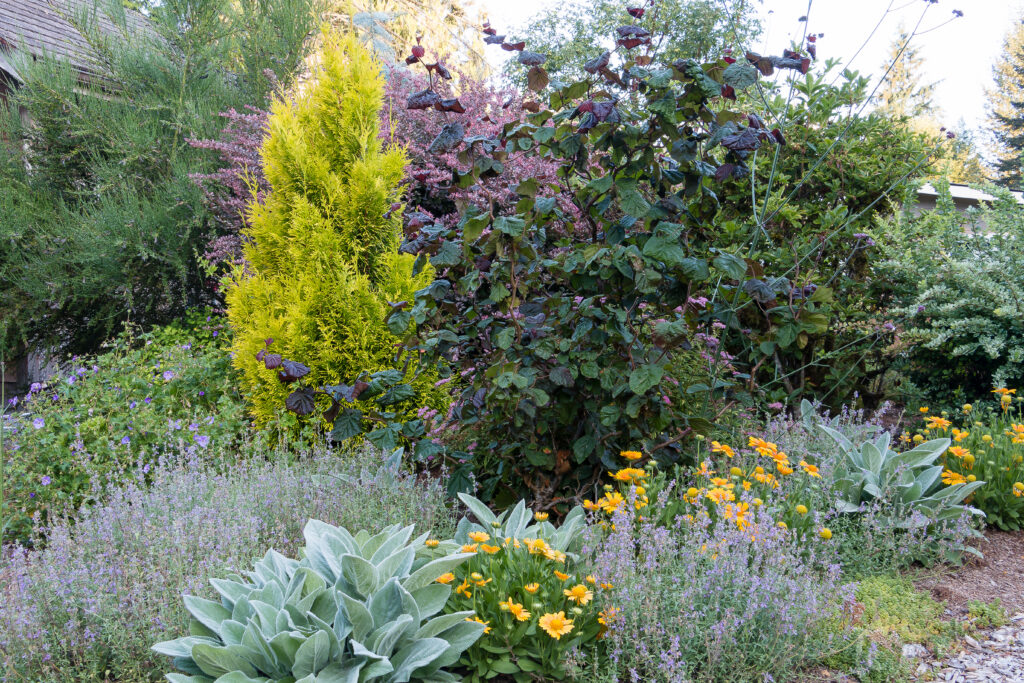
I expect a lot from my plants. Every selection has to earn it's place by offering significant multi-season interest with minimal care while also being deer-resistant. When it comes to flowering perennials that also means they have to be disease resistant and well-behaved. There's no room for "princess" plants that have to be clipped, preened…
Read More →

The Layered Garden: Lessons from England

English gardens are known for their unapologetic "abundant" look, where flowers, vegetables and/or shrubs mingle easily like the very best of friends. This is achieved by "layering" a range of plants with different heights together and is a technique that can be applied from the tiniest garden to the largest estate regardless of aesthetic or…
Read More →

Welcome to My Garden Adventures

Karen Chapman headshot 2026 web size

I'm a serious plant-aholic. In other words I'm usually covered in a layer or two of soil, I drive everywhere with a large tarp for impromptu plant purchases and I'm truly passionate about sharing the joys of gardening.

Container Gardening Course

Enter KCHAPMAN20 to get 20% off

Architecture, interior design, and more ∨

Use the help of top home decorators to select matching bedside tables and a new lamp shade for your own bedroom design.
Collect and share photos of bathroom tile, bathroom vanities, shower curtains and bathroom mirrors to create your perfect home decorating style.

TV Interview

Archives