The Value of Negative Space in Design

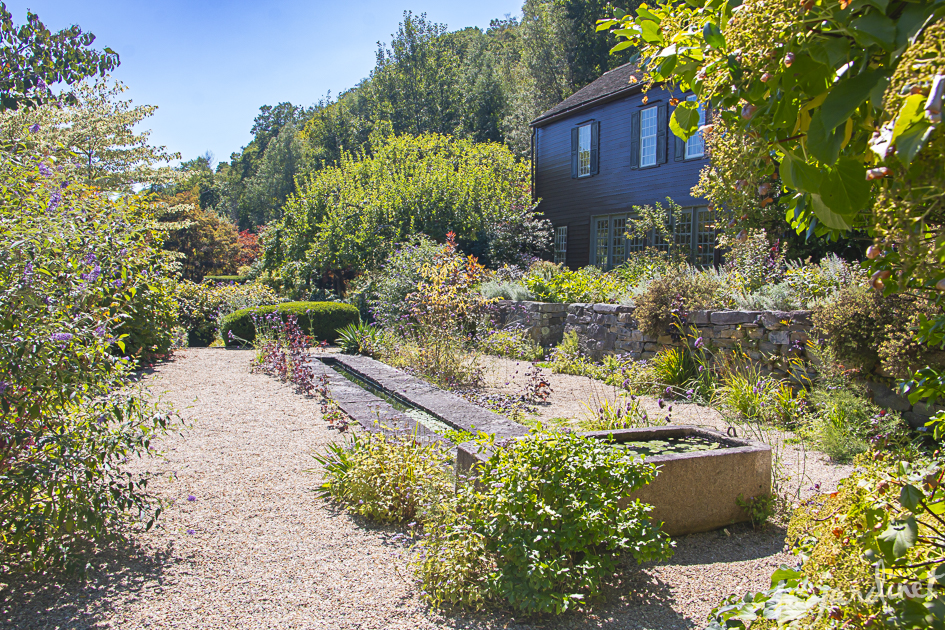
'Cramscaping' may be fun in container gardens but the value of leaving open areas within the landscape cannot be overstated. Not every square inch of your garden has to be planted. Negative space refers to the areas that we don't plant. They are intentionally left open and are typically framed by "positive" elements such as pathways, or plantings and work in much the same way as a strategically placed focal point. 

The Roles of Negative Space

Creating a sense of order
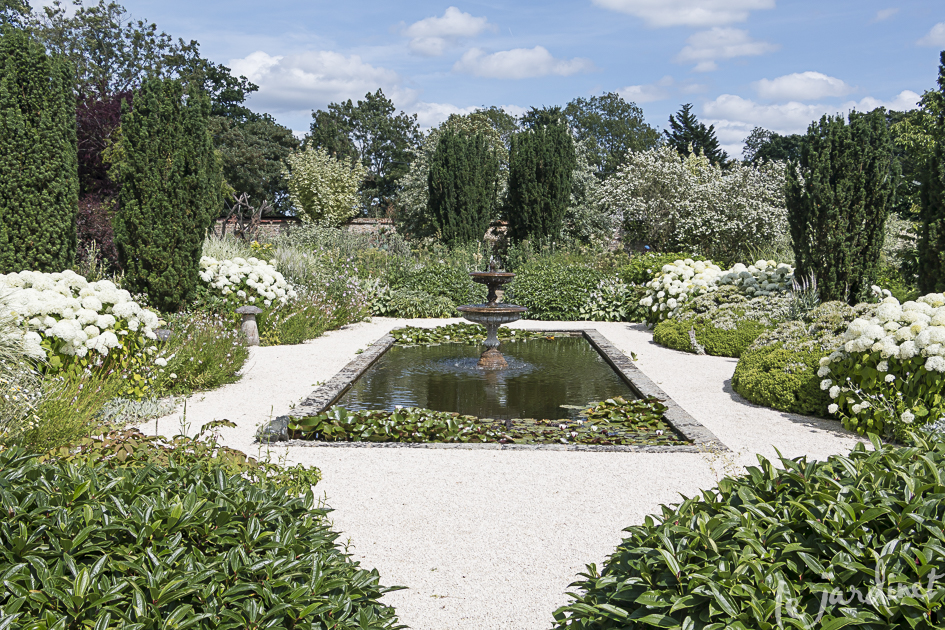
Loseley Park Gardens, England: A pool set within gravel creates a welcome negative space within the lush green and white plantings, allowing their structure and form to be better appreciated.

A garden which is fully planted can seem busy, overcrowded. As such it creates tension – but not necessarily in a good way. By introducing an intentionally open space, it restores a sense of calm or peacefulness. It balances dark and light.

Visual breathing room

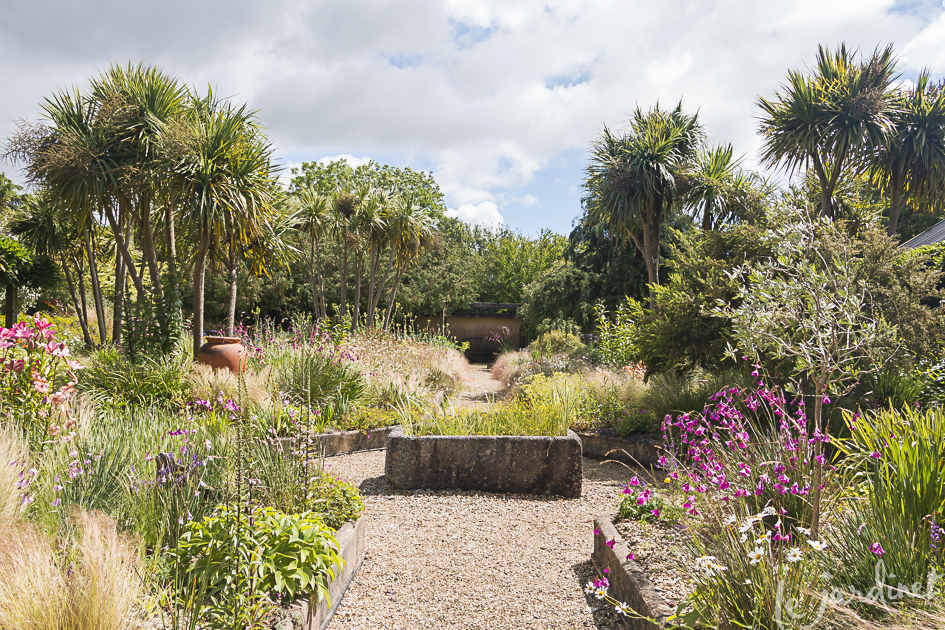
Wildside, England: Wide gravel paths separate billowing plantings set within raised beds in the Mediterranean garden.

Negative space can improve the legibility of the landscape by allowing the eye to pause and take it all in. In Keith Wiley's garden, Wildside, shown above, the finer textures and sheer abundance of the plantings benefit from wide paths. The overall effect feels less crowded and overwhelming. 

Enhances focal points

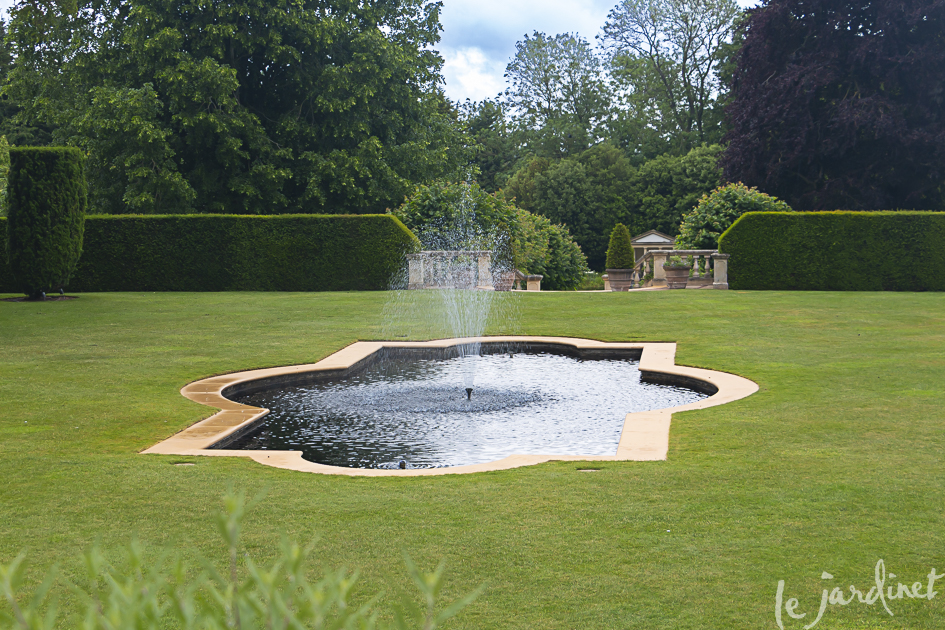
Littlethorpe Manor, England: A serene pool and fountain is enhanced by the large lawns that frame it.

Sculptural vessels, fountains and art work can all be placed directly into planting beds. But for a different effect, try placing these in the center of an otherwise open area and notice the different emotions this elicits. It makes even a simple focal point appear stronger, more important.

Examples of intentional negative space in design

Negative space can be created using lawn, meadow, mulch, groundcover, hardscape or bodies of water.

Lawn

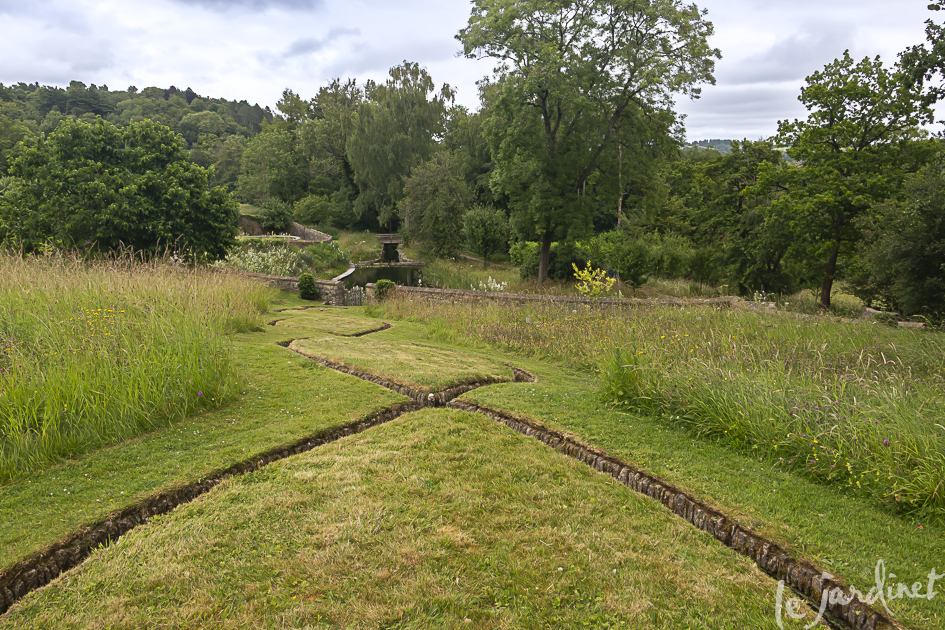
Caisson Gardens, England: the beauty of a rill is enhanced

In the Caisson Gardens, above, a  rill is carved into tightly mown lawn which is then framed by meadow style plantings that mimic the rills sinuous lines. Using the contrast between the shorter lawn and taller meadow highlights the rill by setting it within the negative space.

A small circular lawn reads as a visual resting place – an intentional negative space

In a residential design above, a small circular lawn is used as a design element but also reads as a deliberately open space rather than just a residual part of the garden after planting beds and paths were laid out.

Hardscape

A small paved patio is immersed within a strolling garden
Paths and patios are two examples of functional areas that can serve as negative space – providing they are not so full of furniture that they are visually as abundant as the garden beds! The transparency of the simple red bistro set above helps keep the focus on the space itself.

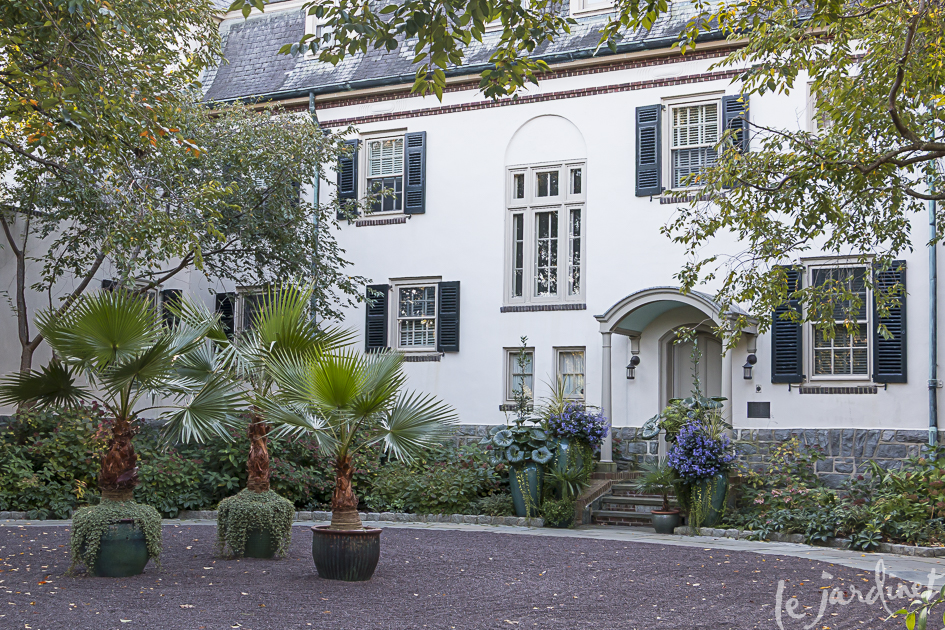
The formal entry to Chanticleer House in Wayne, PA features a raked gravel bed and carefully placed potted palms.

Many Japanese gardens feature raked gravel beds, typically with symbolic boulders set within them. In a twist on that idea, Chanticleer House uses three large potted palms within their raked gravel entrance. In spring, cherry blossom petals fill the raked grooves, highlighting the design. Far from an empty space, this gravel circle is an intentional negative space to balance the exuberance that the garden is known for with a simpler yet equally artistic touch.

Water

Tucked into one of the garden rooms at Hollister House, CT, a simple pool acts as a negative space
The gardens are Hollister House, Litchfield county, CT are brimming with plants, each jostling for attention. Simple water features such as the one shown above allows the eye to pause while the brain processes all that is around.

Broughton Grange, England. Design by Tom Stuart Smith. Photo credit: Dana Niblack

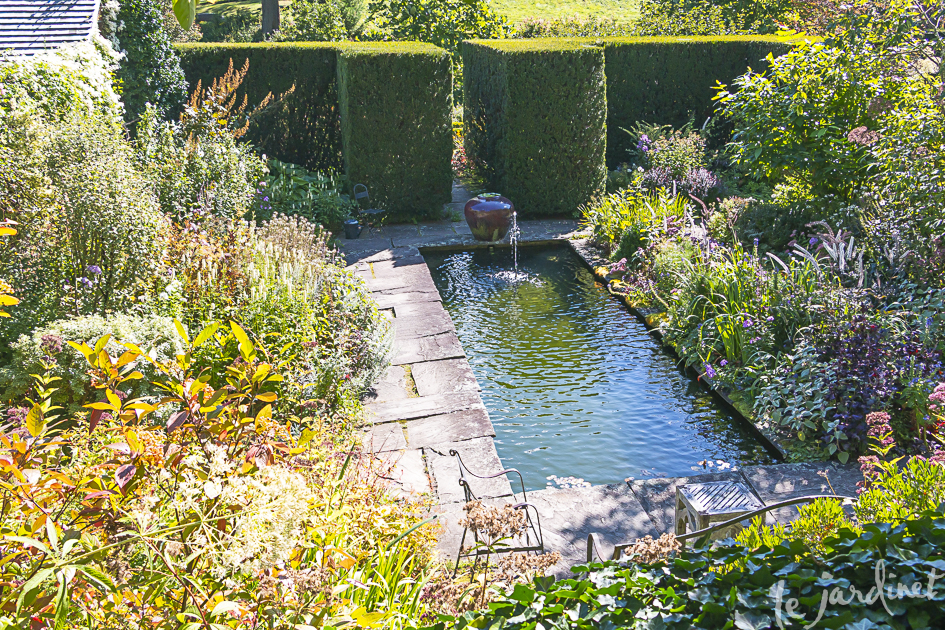
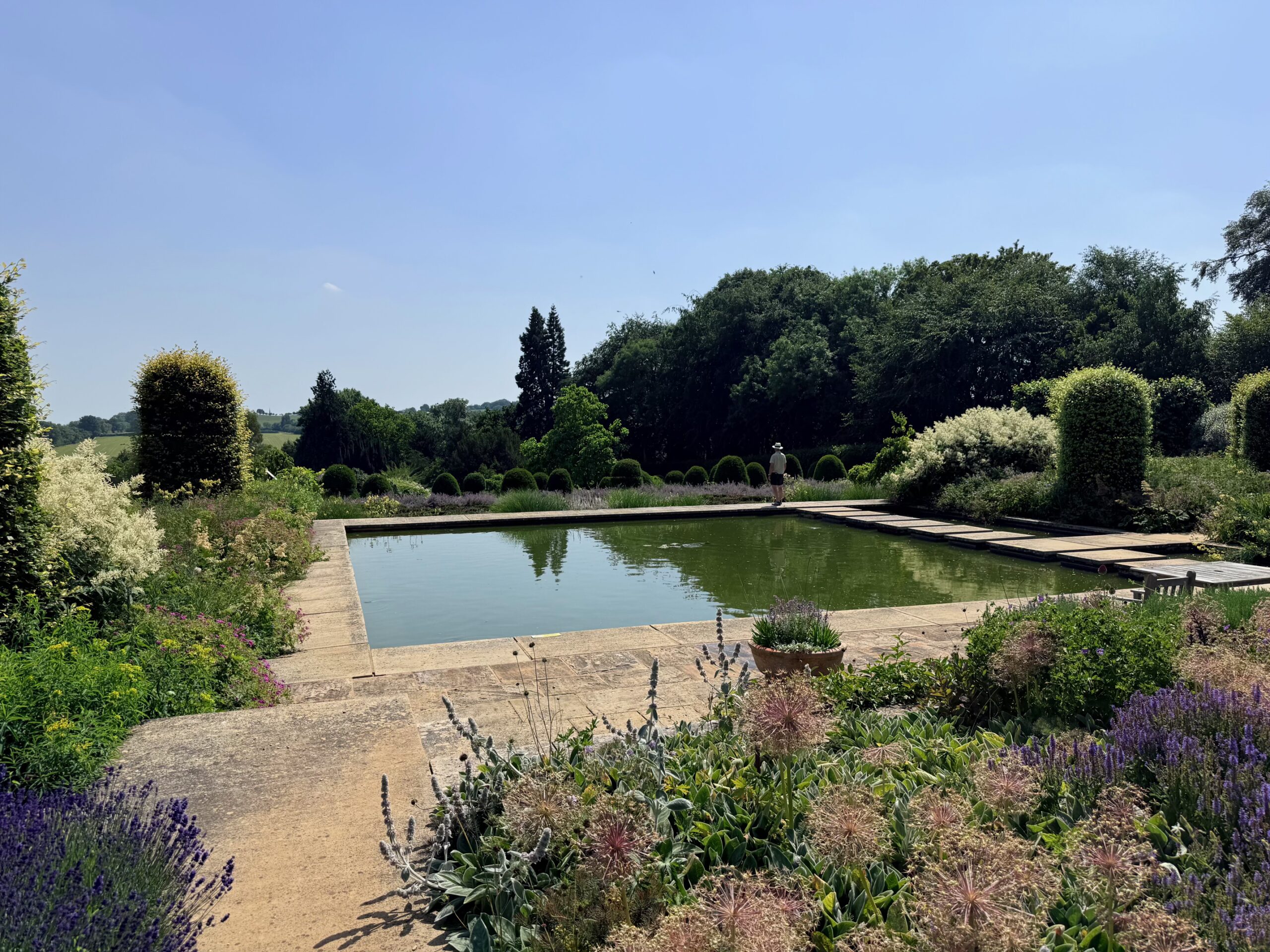
The middle terrace at Broughton Grange features a simple rectilinear pool, surrounded by a froth of perennials, both benefiting from its association with the other. Without the calming pool, the plantings could appear chaotic although the punctuation by taller species helps significantly with that. Without the plantings the pool loses context. Together they create a vignette with a framed focal point.

Take Home Ideas

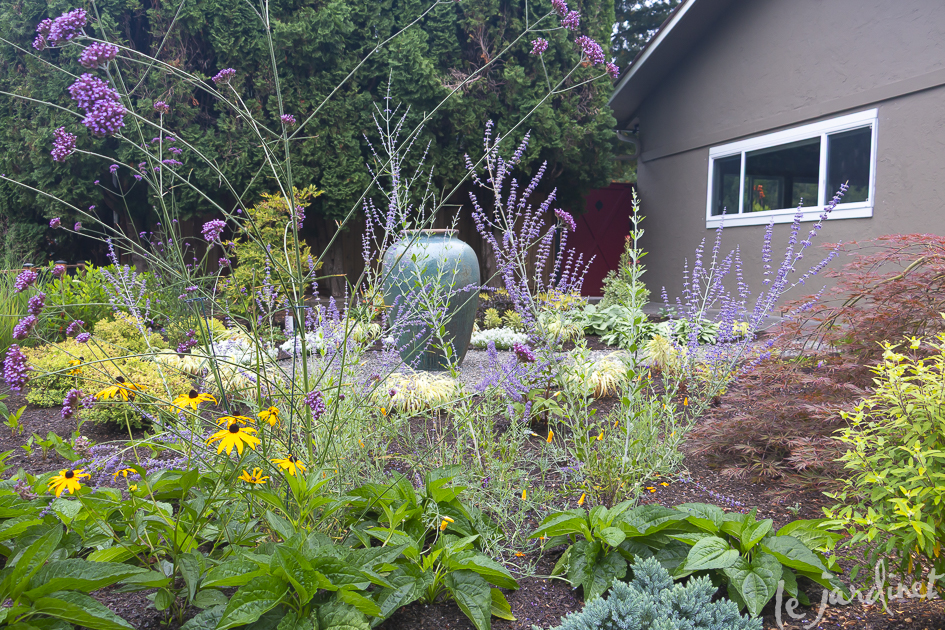
Notice how I placed this urn at the center of a gravel circle. It helps it stand out as a focal point as well as providing practical access to the plantings

  • If you have a lawn, does it read as an intentional negative space or just "the bit that's left"? Defining its shape can help address that.
  • Rather than just adding a tall urn, bird bath or sculpture into a garden bed, consider if a better design choice might be to give it some elbow room – allow some negative space around it. See my photo above for how I did this.
  • If you have a water feature in your garden, does it look best hidden within plantings? Or would it benefit from being set in a more open area?

Subscribe to Receive Blog Posts

Gardening inspiration delivered right to your inbox from Le Jardinet

  • This field is for validation purposes and should be left unchanged.


Hanging Baskets – the Squish Factor

Nurseries are full of hanging baskets at this time of year, seemingly in every color and plant combination – except the one you want, right? How often have you found the perfect basket, wrestled it onto your cart then gone trundling around the nursery yet again trying to find a perfect match? Even if you find it…
Read More →

Epimediums with a Twist

I'm always looking for new ways to pair old favorites. I typically combine the heart shaped leaves of Bishop's hat (Epimedium sp.) with lacy ferns and bold hostas for example. But a recent visit to the inspiring garden of Mitch Evans in Kirkland, WA showed me all sorts of exciting new possibilities to get me out of my design rut!…
Read More →

The Emerging Garden

It's been 3 1/2 years since we moved into our mosquito-ridden swamp. Of course we didn't know that's what it was when we first saw this 5 acre property in July of 2009 – that realization came as we squelched our way from house to barn and back in ankle deep water all winter, and…
Read More →

The Grass with Multiple Personalities

A beauty or a beast? A star or a supporter? You decide. Considered invasive in many parts of the country Mexican feather grass (Stipa tenuissima syn. Nasella tenuissima) is merely 'friendly' in Seattle area gardens. Certainly it self seeds, but it does so politely creating serendipitous plant partnerships that I wish I could claim as my design! I consider it an…
Read More →

A lesson in abundance – Filoli Garden

There are tulips – and there are Tulips. As I strolled around the magnificent Filoli Garden in San Francisco last week there was no doubt that these were TULIPS. For the most part these had been planted in simple, terracotta colored pots so that the flamboyant flowers could be brought out for display when each variety reached…
Read More →

Join in the Foliage Fest! (& giveaway)

The past couple of weeks have been a true whirlwind since my book FINE FOLIAGE, co-authored with Christina Salwitz was launched at the 2013 Northwest Flower and Garden Show, Seattle. My first talk at the show – a demonstration style seminar called ‘Spotlight on Foliage’ was standing room only and by the end of that…
Read More →

Top 10 Healthy Heuchera

  In the gardener’s world there are two mortal enemies – deer and disease.  Or at least they are mine – if I ignore my parsnip-munching voles, Amazon-sized mosquitoes and steroidal slugs. When my show stopping Heuchera (coral bells) were cut down in their prime by rust, a fungal infection, it was almost enough to…
Read More →

Skinny Conifers for Tight Spaces

Narrow side gardens are the reality for many suburban homes but die hard gardeners don’t need to sacrifice height and beauty just because their footprint is small. Look for trees, shrubs  and perennials that have a columnar shape without growing too wide. Even in larger gardens there is a need for ‘punctuation’ points and these…
Read More →

When is a wall more than a wall?

    We tend to think of garden walls and fences as utilitarian – simply a means of defining a space, marking a property boundary or holding back soil. Yet they can be so much more than that. Making the most of a small space I had the opportunity to visit this Seattle area garden…
Read More →

Denver Botanic Gardens – a winter surprise

I had the opportunity to visit the Denver Botanic Gardens last week. As I pulled on thermals, several layers of fleece and my thickest socks I began to doubt my sanity! Temperatures were well below zero and I was the only person outside; other visitors were safely ensconced in the tropical steaminess of the orchid…
Read More →

Welcome to My Garden Adventures

Karen Chapman headshot 2026 web size

I'm a serious plant-aholic. In other words I'm usually covered in a layer or two of soil, I drive everywhere with a large tarp for impromptu plant purchases and I'm truly passionate about sharing the joys of gardening.

Container Gardening Course

Enter KCHAPMAN20 to get 20% off

Architecture, interior design, and more ∨

Use the help of top home decorators to select matching bedside tables and a new lamp shade for your own bedroom design.
Collect and share photos of bathroom tile, bathroom vanities, shower curtains and bathroom mirrors to create your perfect home decorating style.

TV Interview

Archives